


New information
Japanese Language Training Course Level 4 (Comprehensive) / Japanese Language Teacher Training Program — Collaborative Class with Katsuta Secondary School (December 4, Thursday)
Twelve international students enrolled in the Japanese Language Training Course Level 4 (Comprehensive) and thirteen Japanese students enrolled in the Japanese Language Teacher Training Program’s “Japanese Language Teaching Method I” collaborated with twenty-two third-year students from Katsuta Secondary School in Hitachinaka City. Together, they engaged in a class exchange and a project activity under the theme: “How can we create a community where foreign residents can live with peace of mind?” The goal was to explore ideas for the future of schools and society.
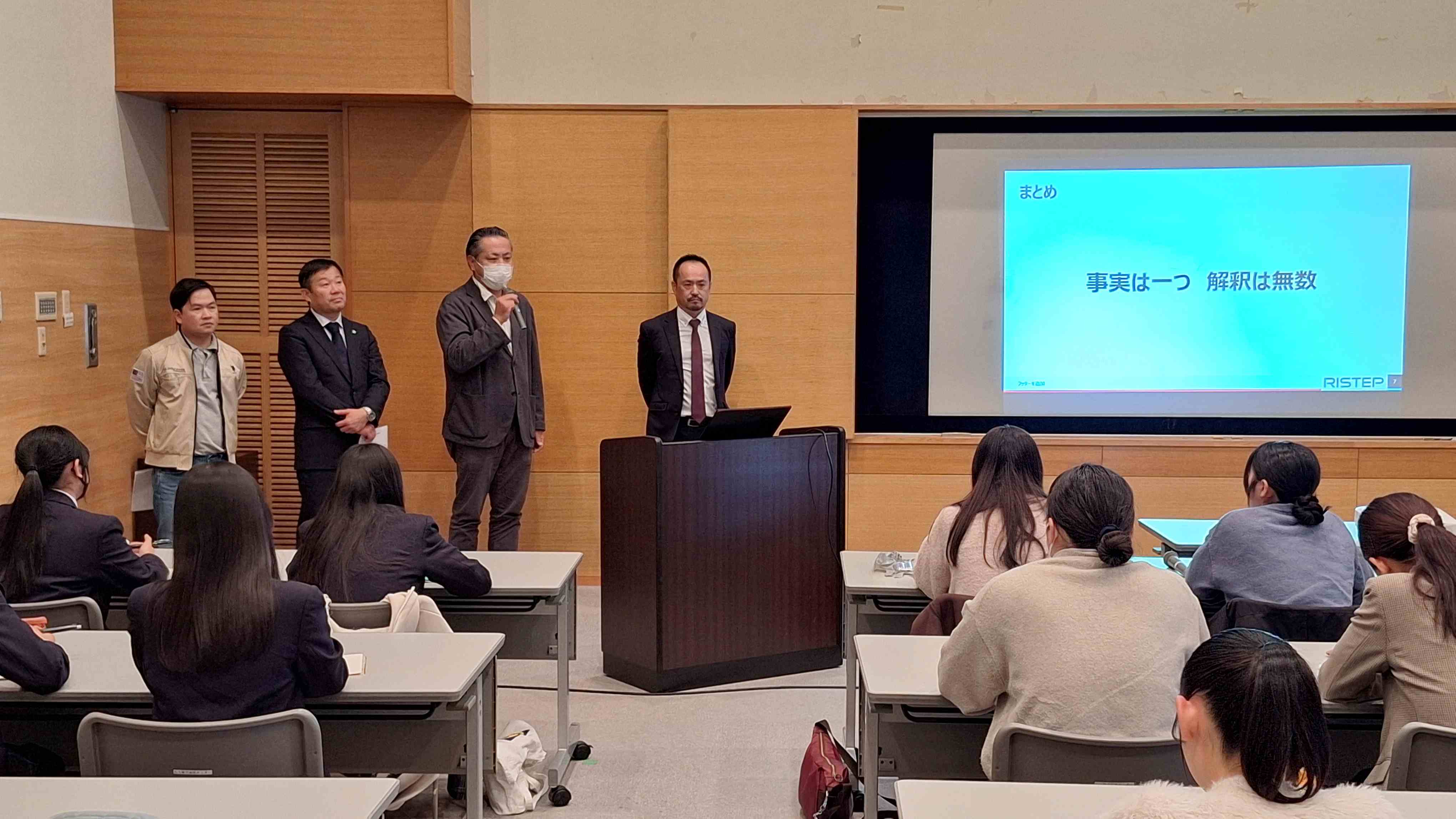
On December 4 (Thursday), students from Ibaraki University and Katsuta Secondary School visited Joso City, an area with a large foreign resident population. In the morning, they attended a seminar aimed at considering regional issues through dialogue with companies and foreign workers. Representatives from Life Support Yamano, Sanwa Foods, and Ristep spoke about their efforts to accept foreign workers and the measures taken in the workplace. Students commented, “We learned about companies’ efforts such as providing dormitories and organizing events,” and “We realized that foreign workers are not cheap labor and that building connections as community members is essential.” Some students also expressed critical perspectives, such as, “It’s problematic that foreign workers depend solely on the company,” and “We need to think about whether these activities truly reflect what foreign workers want, rather than being imposed.”
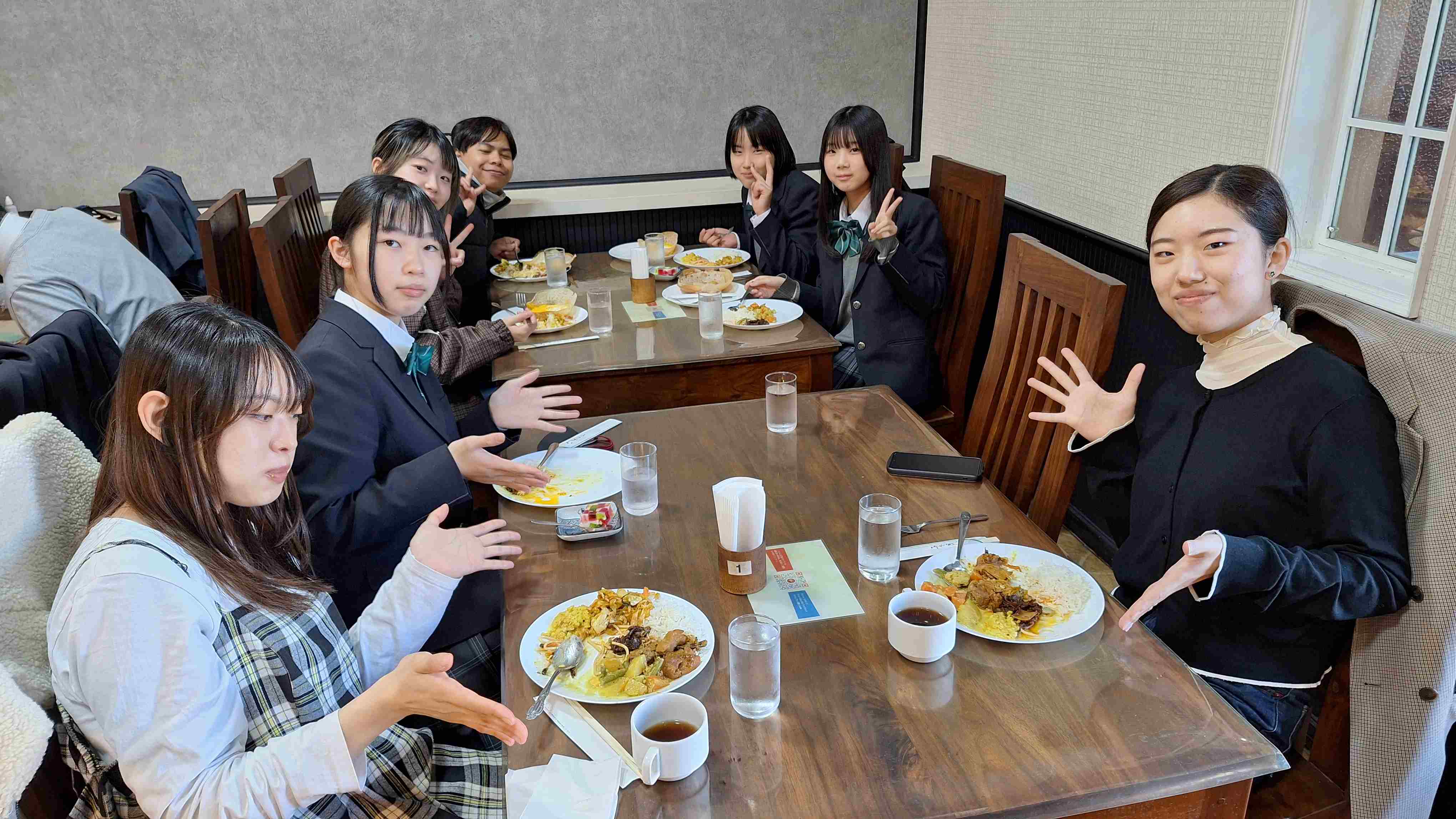
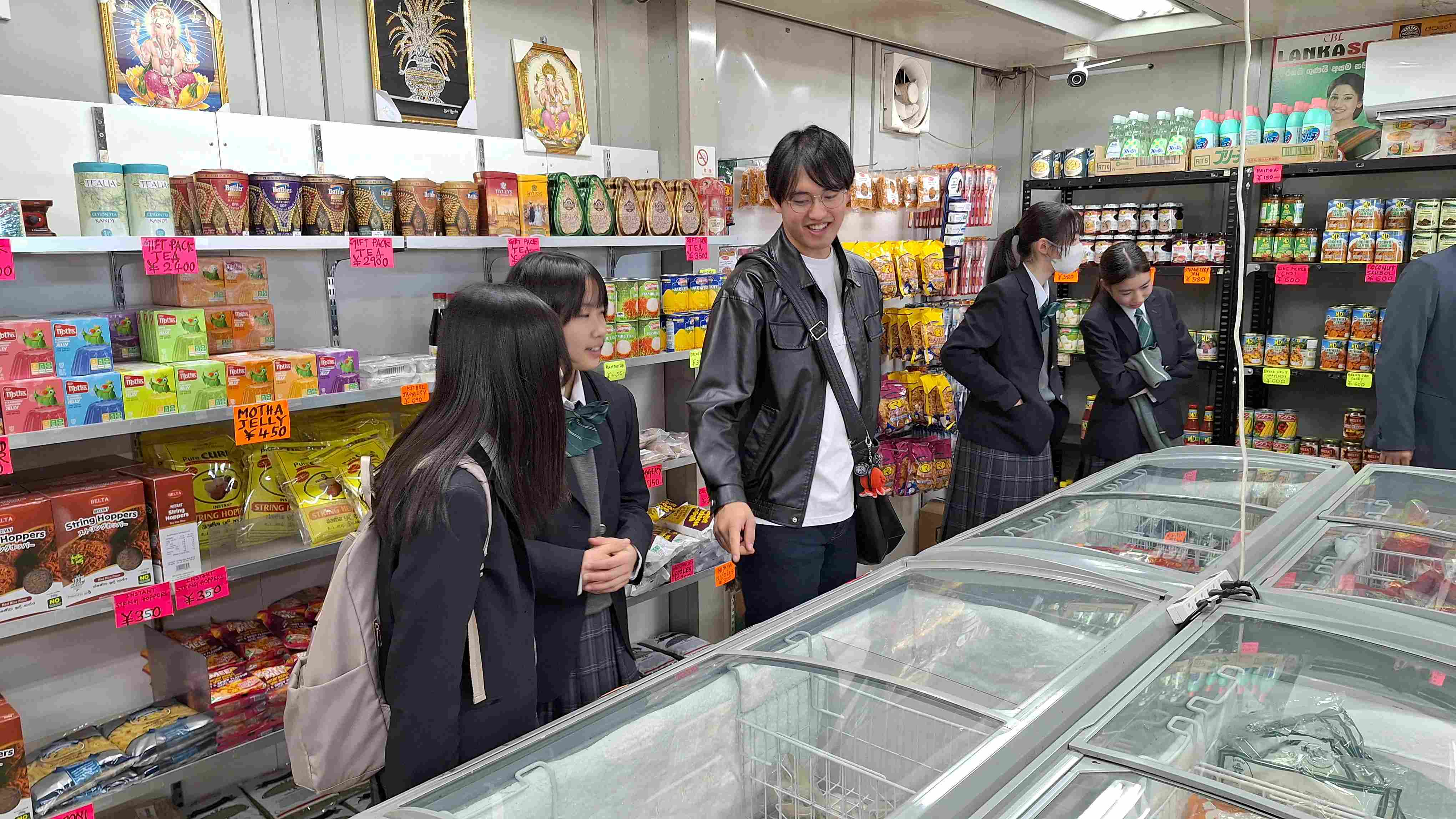
Lunch was enjoyed at the Sri Lankan restaurant “Randiwa,” followed by a stroll through Kamesennin Mall, where students experienced multicultural diversity. One student shared, “It was my first time eating Sri Lankan food, and everything was delicious,” while another noted, “Talking with an Indonesian student about spicy food culture was interesting. They said Japanese food tastes ‘plain,’ which was a fun discovery.”
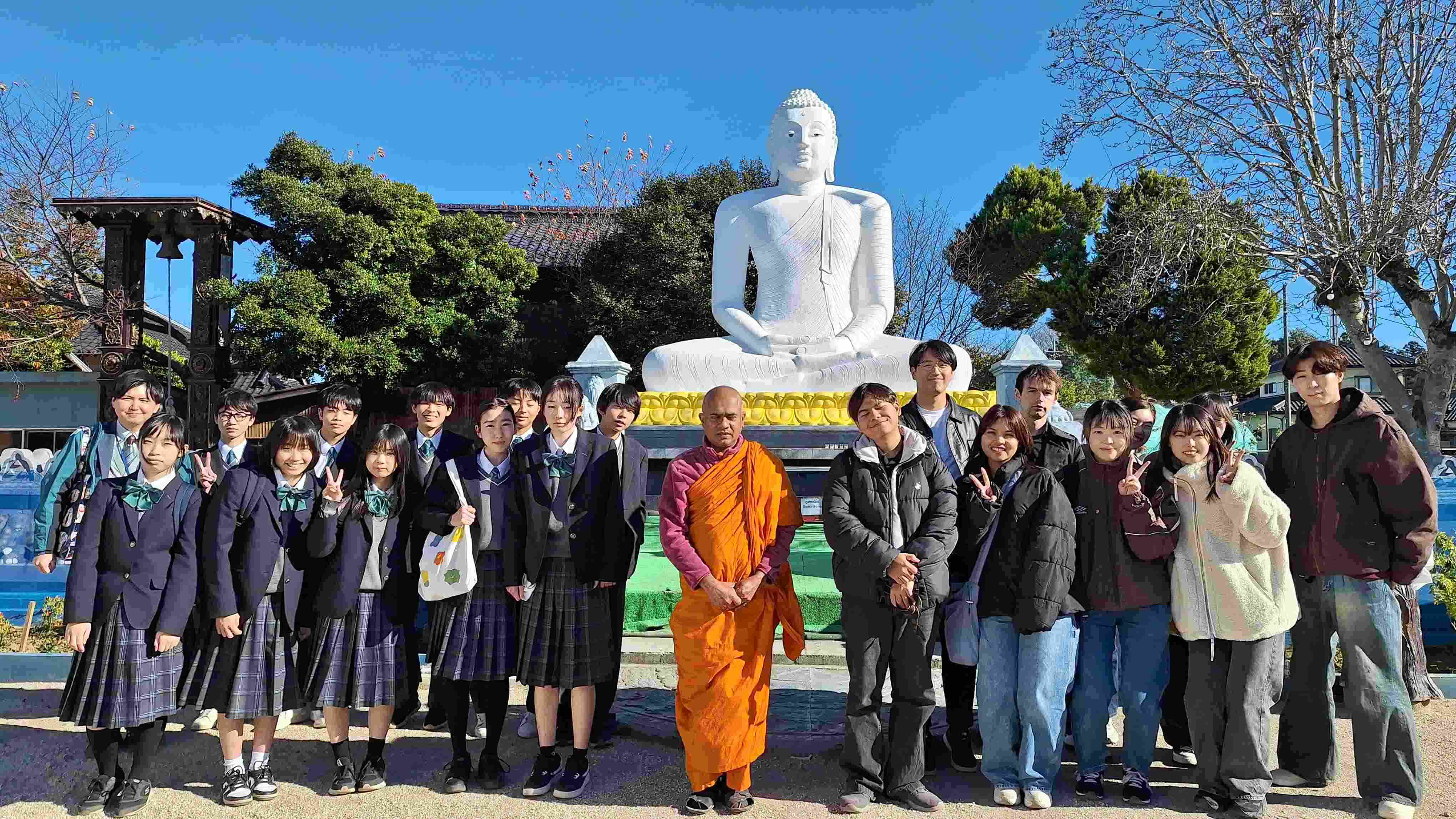
Later, the group visited the Sri Sambuddhaloka Temple in Tsukuba City to deepen their understanding of religious culture. Students reflected, “I was surprised to see an exotic building suddenly appear among the fields,” and “Religion serves as a spiritual anchor and plays an important role in community building for foreigners.”
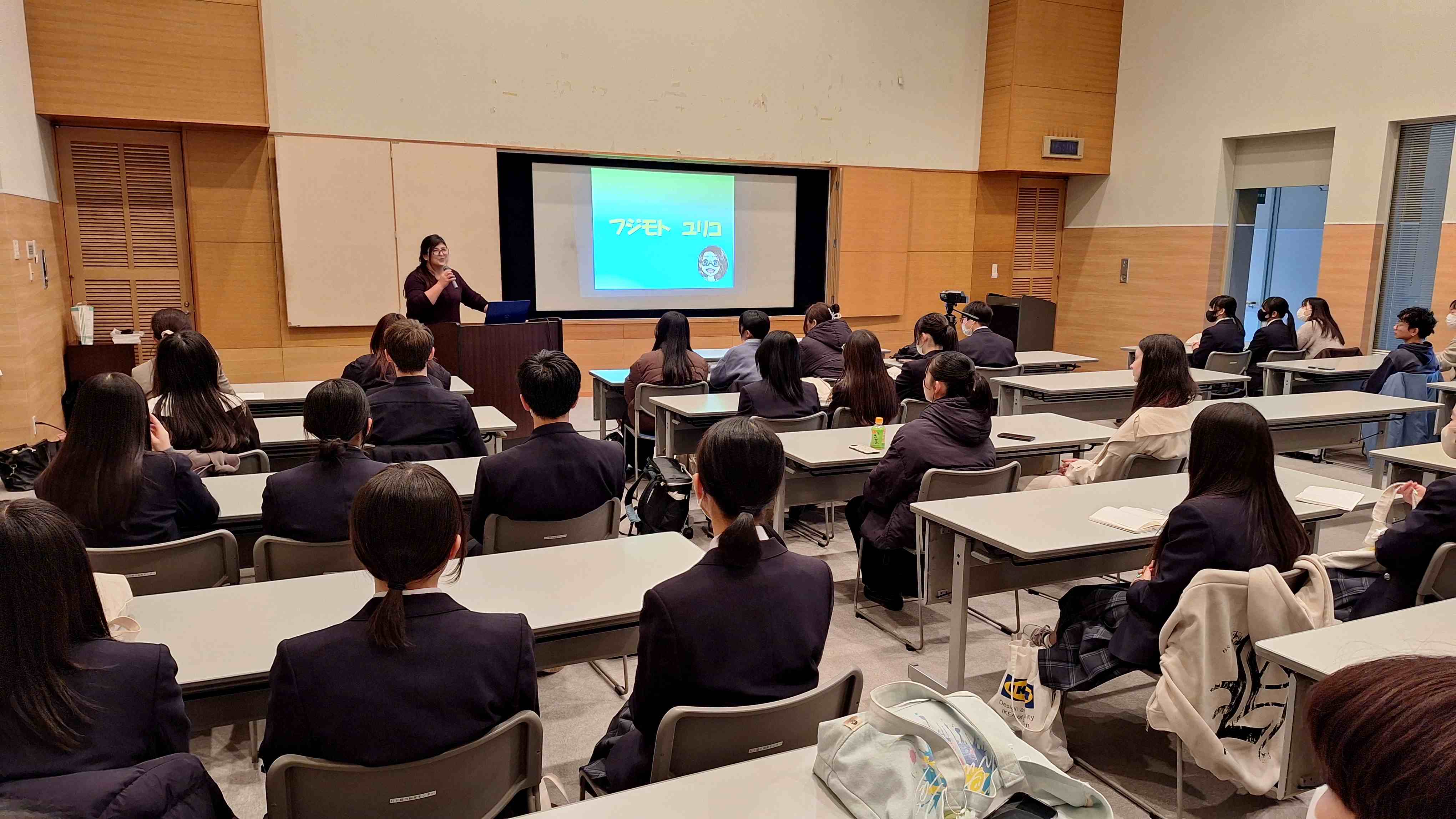
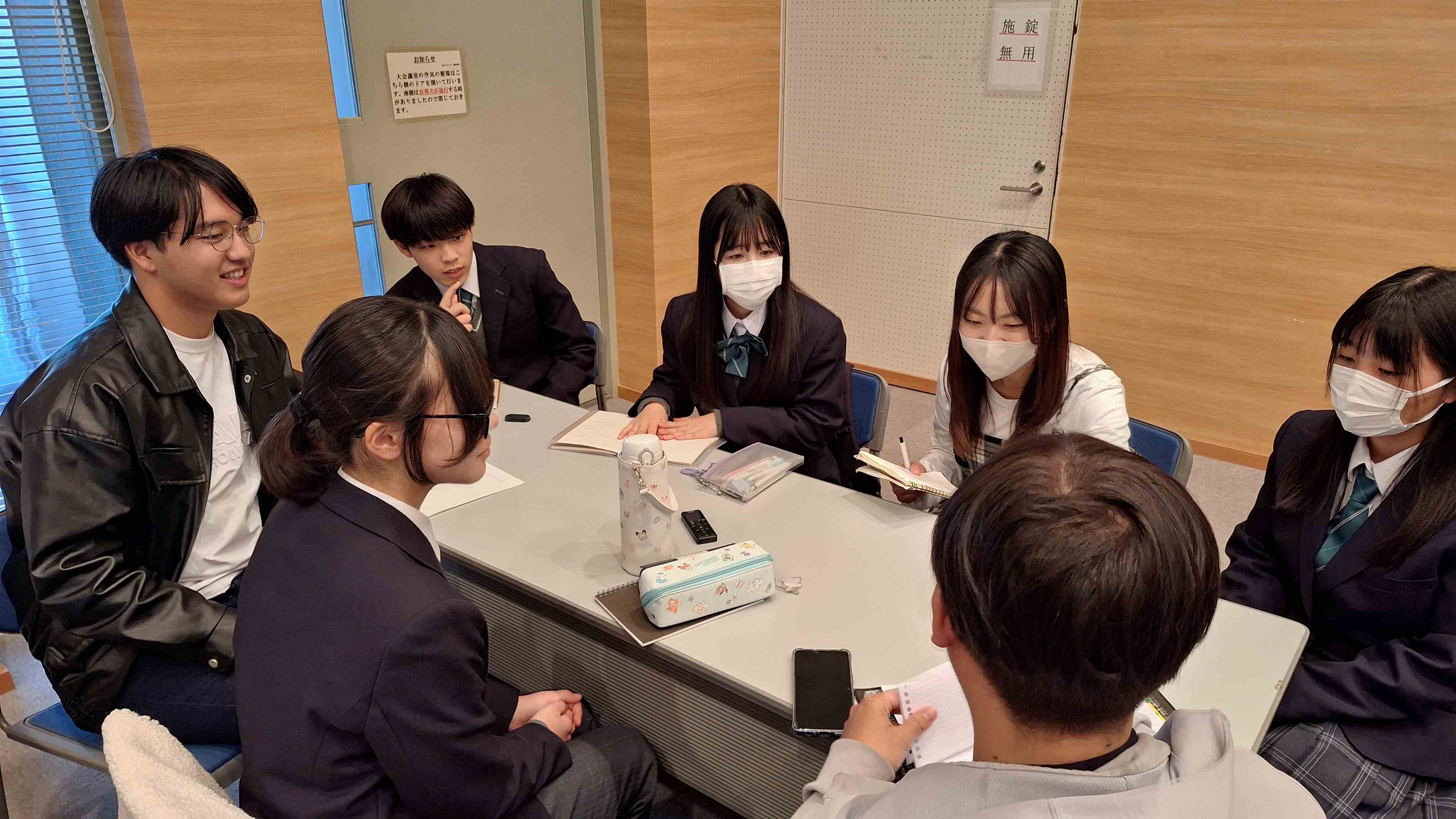
In the afternoon, they listened to a lecture by Ms. Yuriko Fujimoto from the Ibaraki NPO Center Commons, learning about the current situation of foreign residents in Joso City and support activities. This was followed by group discussions on the theme: “How can we create a community where foreign residents can live with peace of mind?” Various ideas emerged during the discussions, and students deepened their thinking based on Ms. Fujimoto’s real-life experiences.