


New information
Learning Support Activities for Children with Foreign Roots in Ami (October 9 – December 18)
In recent years, Ami Town has seen a rapid increase in the number of children with foreign roots, and schools have expressed a growing need for Japanese language learning support. Responding to this situation, Ibaraki University implemented a learning support program this year for these children, in collaboration with the Ami Town Board of Education and Asahi Elementary School. Currently, Asahi Elementary School has 16 children with foreign roots enrolled, and the Japanese language classroom was expanded to two classes this year to strengthen support. This initiative was previously carried out in 2023 but had to be suspended due to budget constraints; after adjustments, it was relaunched this year.
The program ran for six sessions between October 9 and December 18, 2025. Eight Ibaraki University students provided support to eight children living in Ami Town. Activities were held after school, beginning with homework assistance. The students worked closely with each child, adapting to their level of understanding and pace. This was followed by language games designed to help children become familiar with Japanese vocabulary and expressions, creating a fun and engaging learning environment. The children participated enthusiastically, and it was impressive to see them gradually gain confidence in using Japanese.
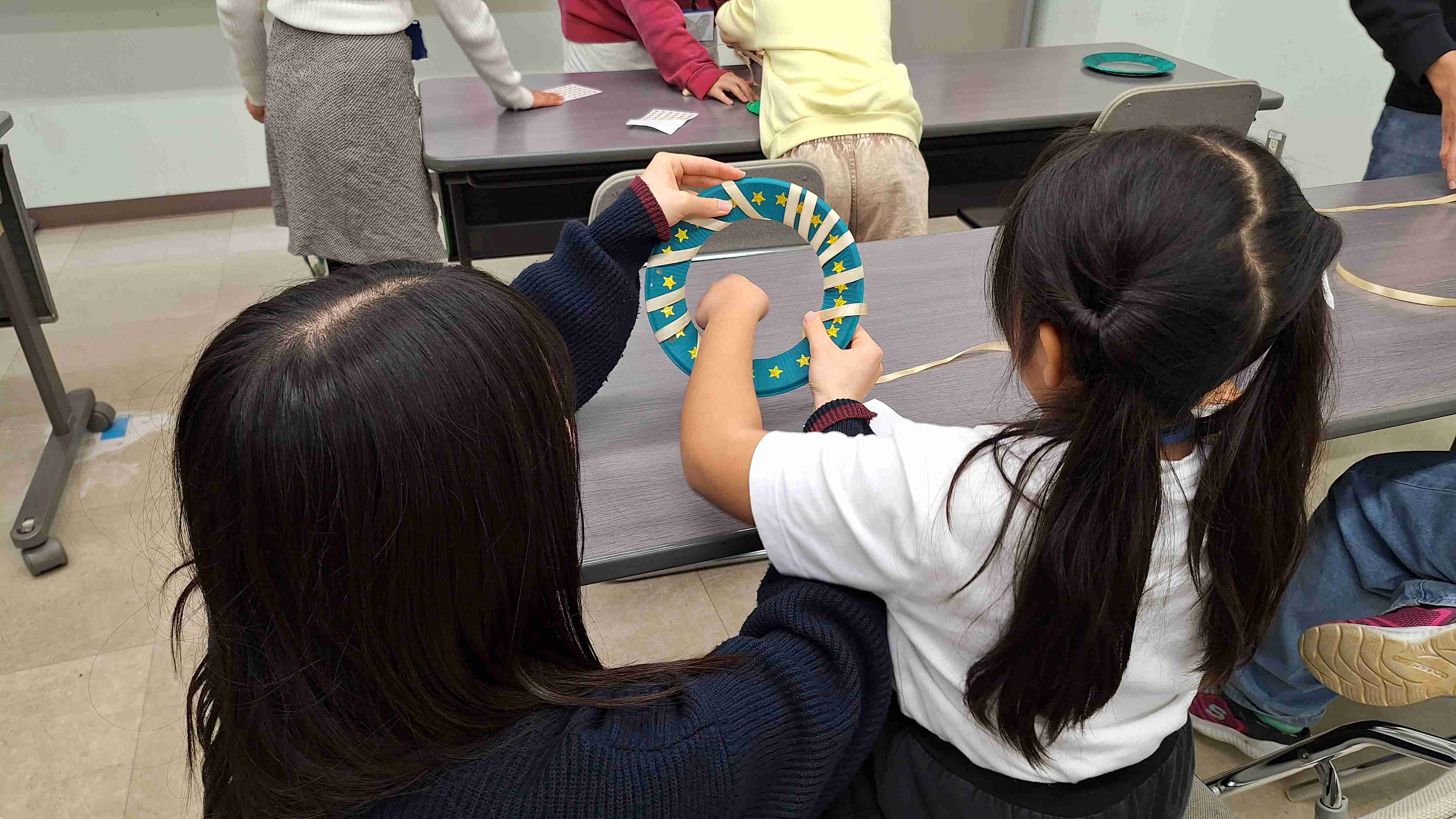
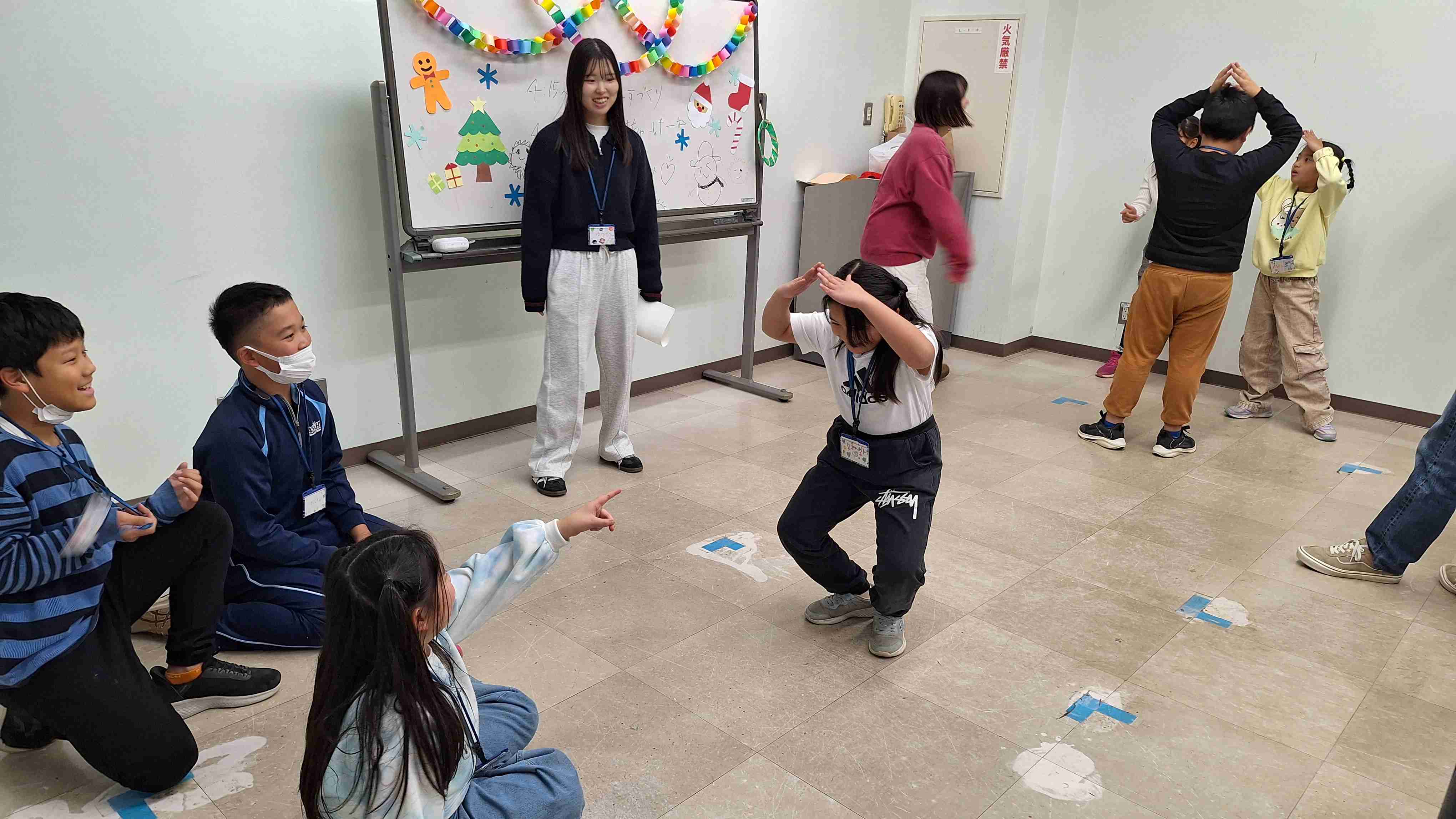
On the final day, December 18, after finishing homework, the students organized a special “fun day.” They enjoyed making handmade Christmas wreaths and playing gesture games, and then presented handmade message cards to the children. Although they usually disliked reading aloud, the children carefully read each Japanese character on the cards out loud—a moment that deeply moved the faculty member who had supported the program.
A teacher from the Japanese language classroom who assisted with the program shared:
“Every week, the children looked forward to studying with their ‘big brothers and sisters.’ On the last day, one child received a workbook used during the sessions and proudly showed it to their school teacher the next day.”
The children also expressed their feelings as they left, saying, “It was so much fun!” and “Please do this again next year.” Participating students reflected:
“Supporting the children while learning alongside them gave me invaluable firsthand experience of the educational setting.”
Education majors added:
“This was a great opportunity to think about how to support children from diverse linguistic and cultural backgrounds when I become a teacher.”
“I realized how important it is to provide individualized support.”
This program not only provided a space for children to learn Japanese but also offered them a safe and welcoming environment. For the students, it was a chance to gain practical experience in education and reaffirm the significance of collaboration between the university and the local community. We will continue working to create an environment where children from diverse backgrounds can learn and grow with confidence.