

New information
A First Encounter that Connected a Circle of Cultures:Intercultural Exchange Event at Futaba Hidamari-kan (Saturday,January 17)
On January 17, 2026, an intercultural exchange event was held at Futaba Hidamari-kan, a special nursing home for the elderly operated by Ai-no-Kai Social Welfare Corporation in Mito City. The event was jointly organized by the university, the social welfare corporation, and local residents as part of the Ibaraki International Association’s initiative to promote international understanding. The project invites foreign residents and international students living in the prefecture to introduce their home cultures and create opportunities for communities to directly experience cultural diversity. While such initiatives have typically been implemented in schools and community learning facilities, recent trends in Japan—such as the rise of exclusionary sentiments symbolized by “Japan first”—have highlighted the growing need to promote multicultural coexistence at the community level. In response to this social context, the event was held on a trial basis at a special nursing home, which is required by law to serve as a hub for community engagement.
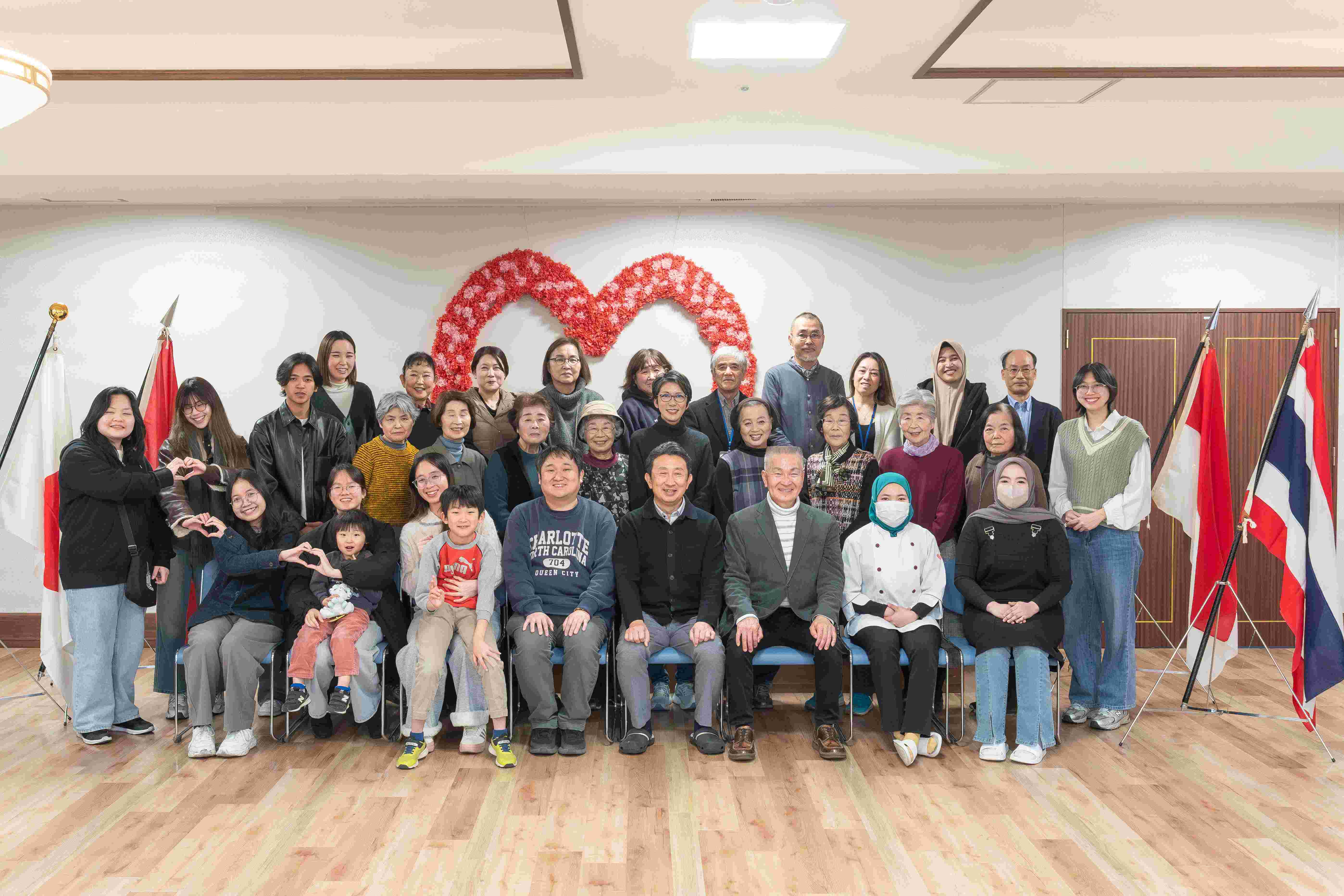
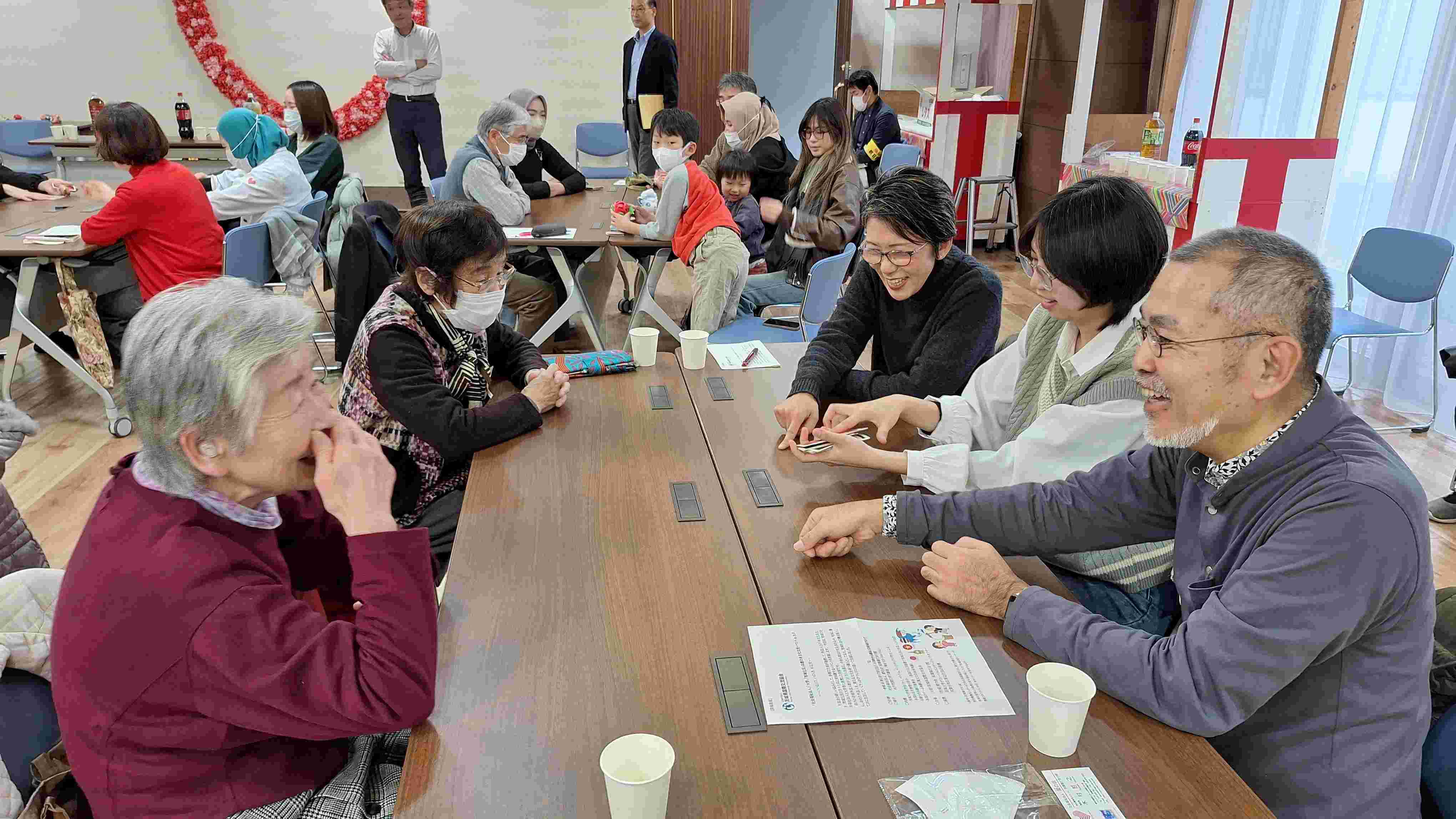
Under the Elderly Welfare Act and the Long-Term Care Insurance Act, special nursing homes are required to collaborate and interact with the local community. Futaba Hidamari-kan has a designated community exchange space and aims to become a facility that is open to local residents as a natural part of everyday life. The intentions of the facility and the goals of this project aligned well, making the event possible. On the day of the event, approximately 20 local residents participated, along with Indonesian technical trainees working at the facility, as well as seven exchange students and one Japanese student from the University of Tsukuba. This created a unique setting where community members, university students, and facility staff could interact across cultural and generational lines.
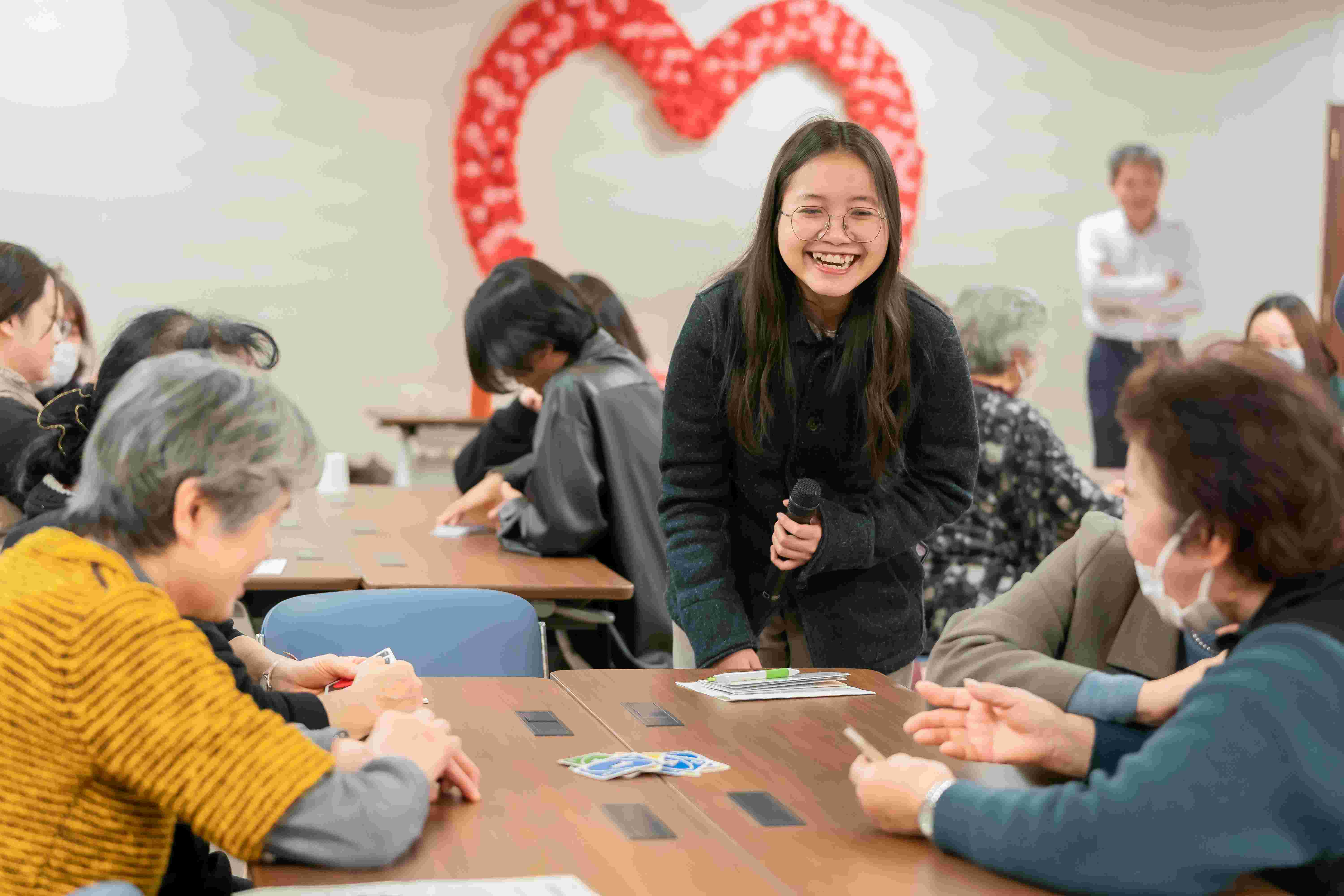
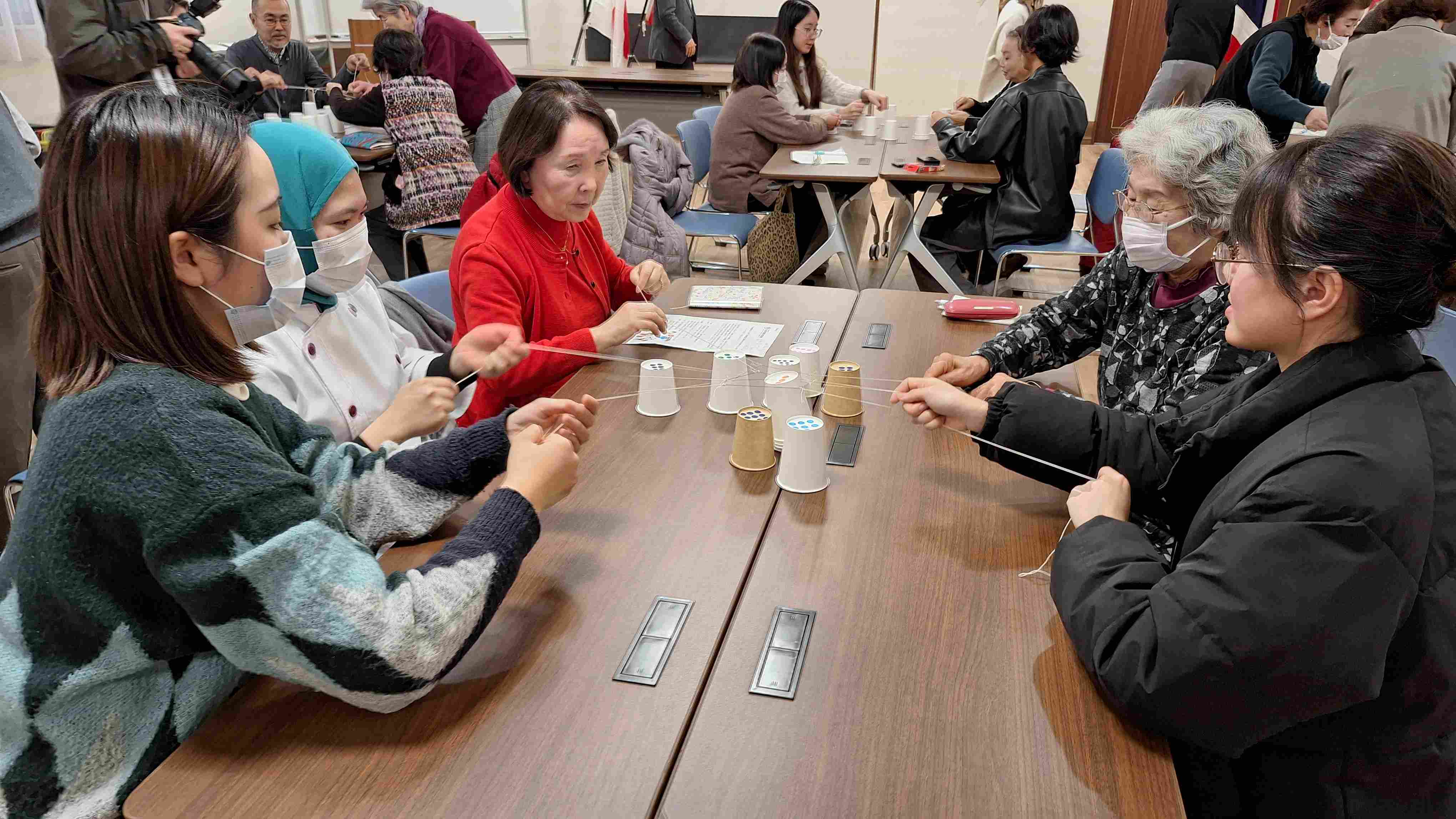
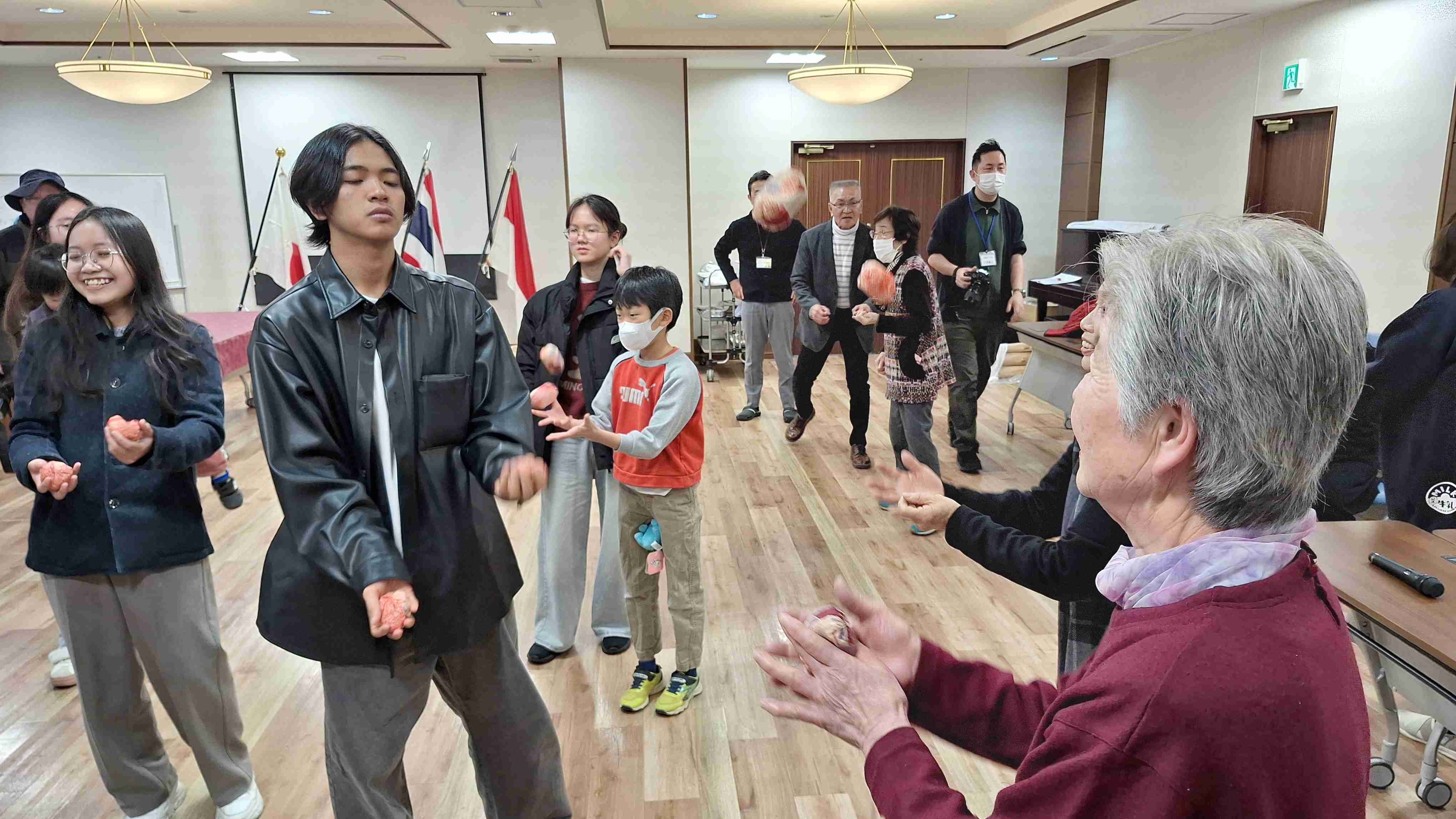
International students from Vietnam, Thailand, and Indonesia introduced New Year traditions and cultural practices from their home countries. Participants listened with great interest, responding with comments such as “I had no idea!” and “That’s so different from Japan!” The event continued with hands-on cultural activities, where participants formed small groups of around five people and enjoyed traditional games from each country. Despite differences in age and cultural background, everyone became absorbed in the shared activities, and warm laughter could be heard throughout the room. Local residents also introduced traditional Japanese games, sparking conversations across generations.
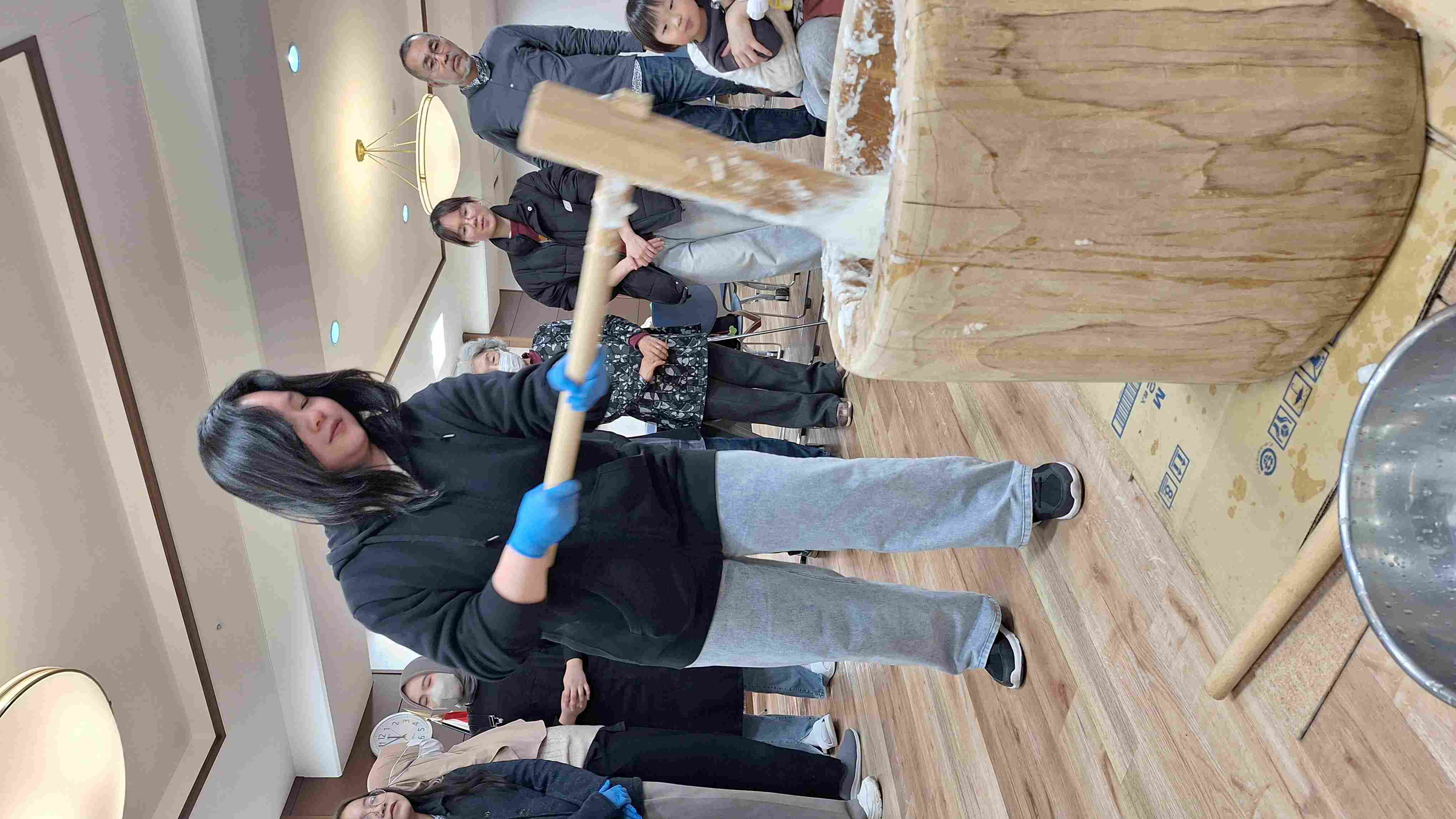
The mochi pounding activity added another layer of excitement. International students enthusiastically tried their hand at pounding mochi for the first time, cheered on by the participants. Sharing freshly made mochi around the table sparked conversations such as “How do you eat mochi in your country?” or “In my hometown, we…,” allowing cultural differences to naturally turn into moments of lively exchange.
One of the most memorable aspects of the event was that many local residents said, with bright smiles, “This was my first time talking with someone from another country.” Although some were initially nervous, the friendly approach of the students helped ease the tension, and soon conversations began to flow effortlessly. Comments like “This was much more fun than I expected” and “I’d love to join again” highlighted how taking that first small step can open doors to new relationships and foster multicultural connections within the community.
This event was made possible through the collaboration of the Ibaraki International Association, Ai-no-Kai Social Welfare Corporation, the University of Tsukuba Global Engagement Center, and local residents. By opening the doors of a special nursing home to the community and creating a space that brings together international students and local residents, the project demonstrated a promising model for multicultural coexistence. The smiles and connections formed during the event hold great potential for shaping a more inclusive and vibrant community in the future.