

New information
Ibaraki University CGE × Katsuta Secondary School--International Collaborative Learning: Final Presentation (Wednesday,January 28)
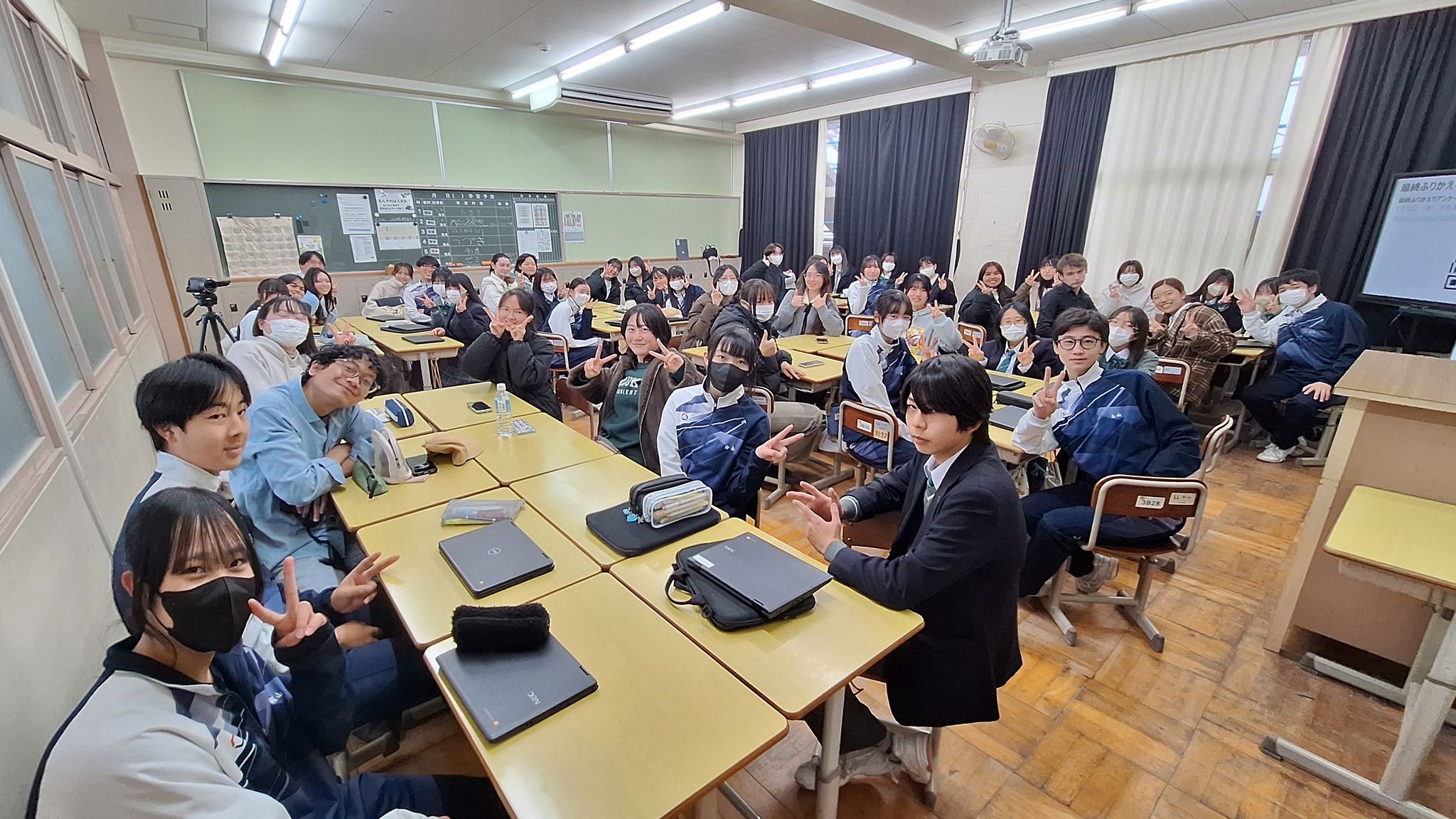
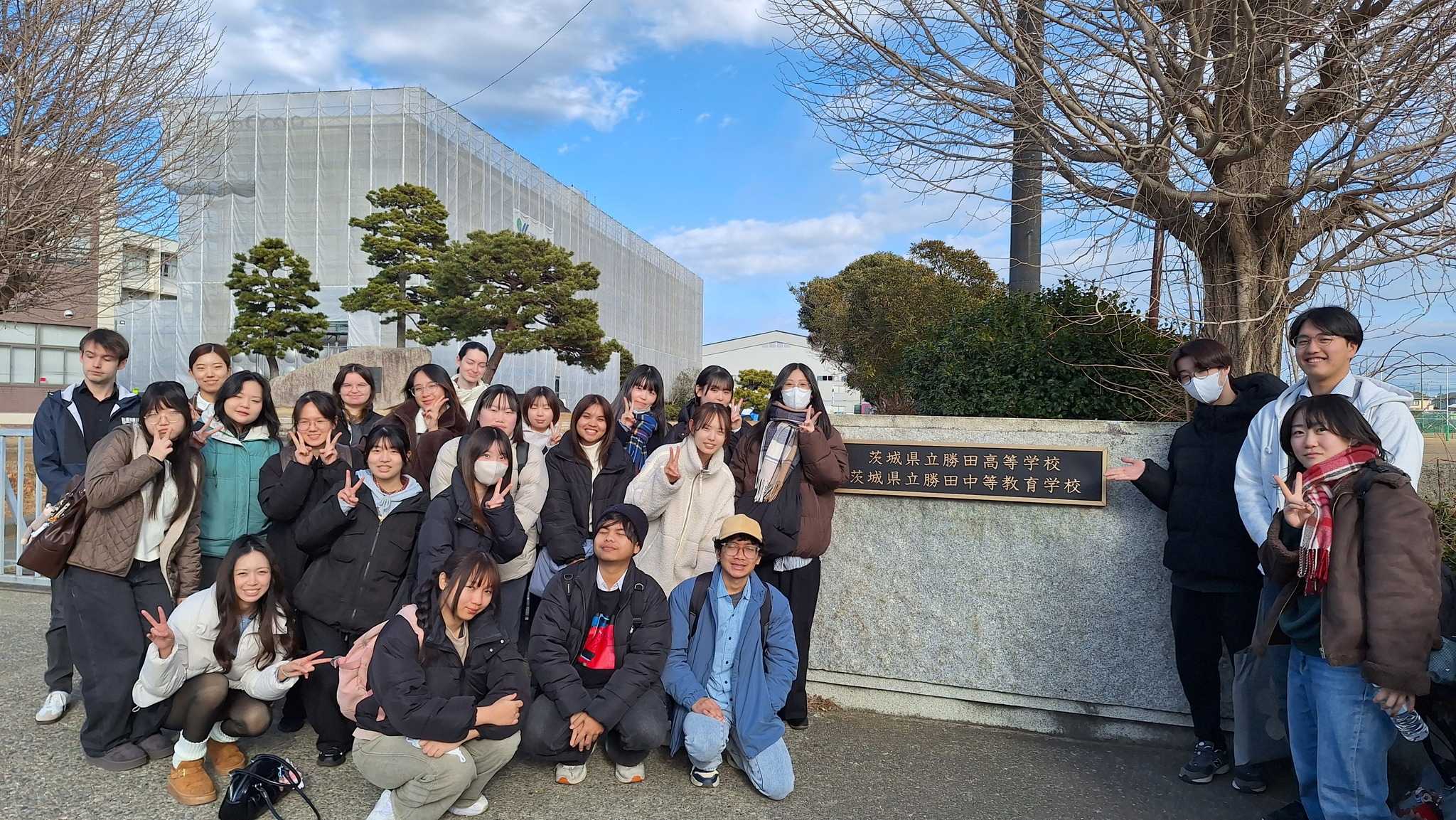
The international collaborative learning initiative between the Center for Global Education (CGE), Ibaraki University, and Katsuta Secondary School began in 2023 and has now entered its third year. In AY2025, the program brought together 12 international students enrolled in Ibaraki University’s Japanese Language Training Course Level 4 (Integrated), 13 Japanese university students taking “Japanese Language Teaching Methods I” in the Japanese Teacher Training Program, and 22 third-year students from Katsuta Secondary School who selected the inquiry-based “Global Seminar.” Working in mixed groups, participants learned collaboratively across differences in age, language, and educational position.
Grounded in face-to-face exchanges and community-based learning, the program has explored the guiding question: “What kind of school enables children from diverse backgrounds to learn with safety and confidence?” On December 3, university students visited Katsuta Secondary School and discussed how schools might respond to cultural differences by focusing on a familiar topic—school rules. On December 4, the participants visited Jōsō City, an area with a significant number of residents with foreign roots, for a field trip that introduced them to local workplaces receiving international workers as well as multicultural communities in the region. Building on these shared experiences, the group held three additional sessions and prepared for the final presentations.
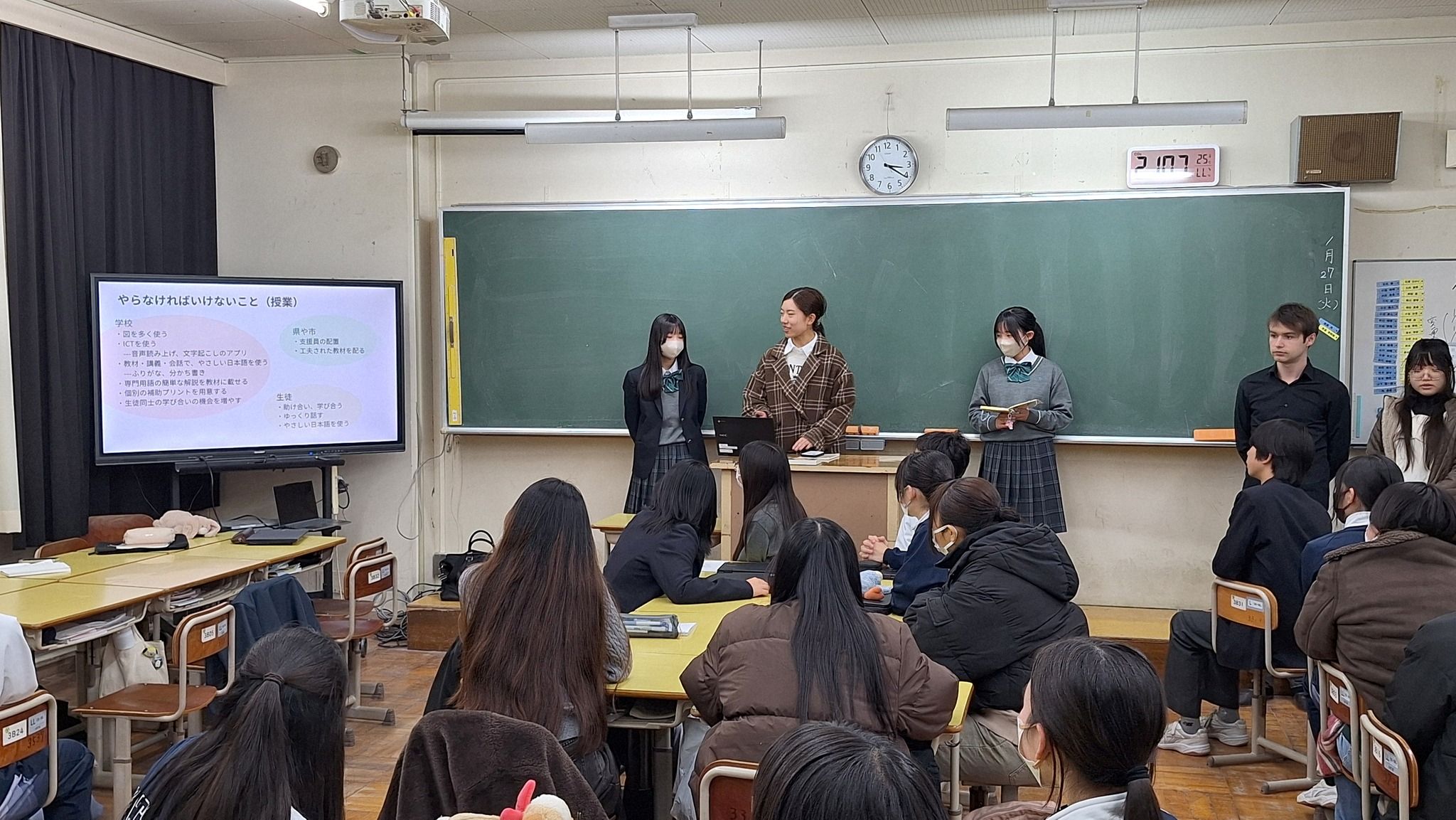
At the final session on January 28, each group presented on two themes: (1) an ideal junior high school where children with diverse backgrounds can learn together, and (2) what would be necessary for Katsuta Secondary School to move closer to such a school over the next ten years. The proposals included ideas related to language support and access to information, creating an environment where students can seek help easily, developing rules and learning frameworks that respect differences, and strengthening collaboration between schools and the local community. Notably, many presentations started from issues identified by the secondary school students themselves and developed practical solutions based on realistic school contexts.
Through this program, participants experienced firsthand that schools are supported not only by students and educators, but also by the wider community and society. The final presentation served as a culminating opportunity to transform dialogue into concrete proposals—approaching differences not through rejection, but through thoughtful questions such as “Why?” and by sustaining respectful, interest-driven communication. We hope to continue expanding opportunities for international collaborative learning by working closely with schools and local communities, opening learning to society and learning together across diverse perspectives.