


New information
Business Communication Course: Company Visits— Learning Practical Communication from the Field
As part of the project-based learning component of the Business Communication, company visits were conducted in May 2026 in collaboration with local businesses. Students stepped outside the classroom and visited each company in person, engaging in interviews while experiencing the atmosphere of the workplace firsthand. This enabled them to deepen their understanding of real-world challenges.
One of the key realizations shared by many students was how much can only be understood by actually being there. Even though they had previously heard directly from business owners in class, many commented that their impressions changed significantly once they visited the sites.
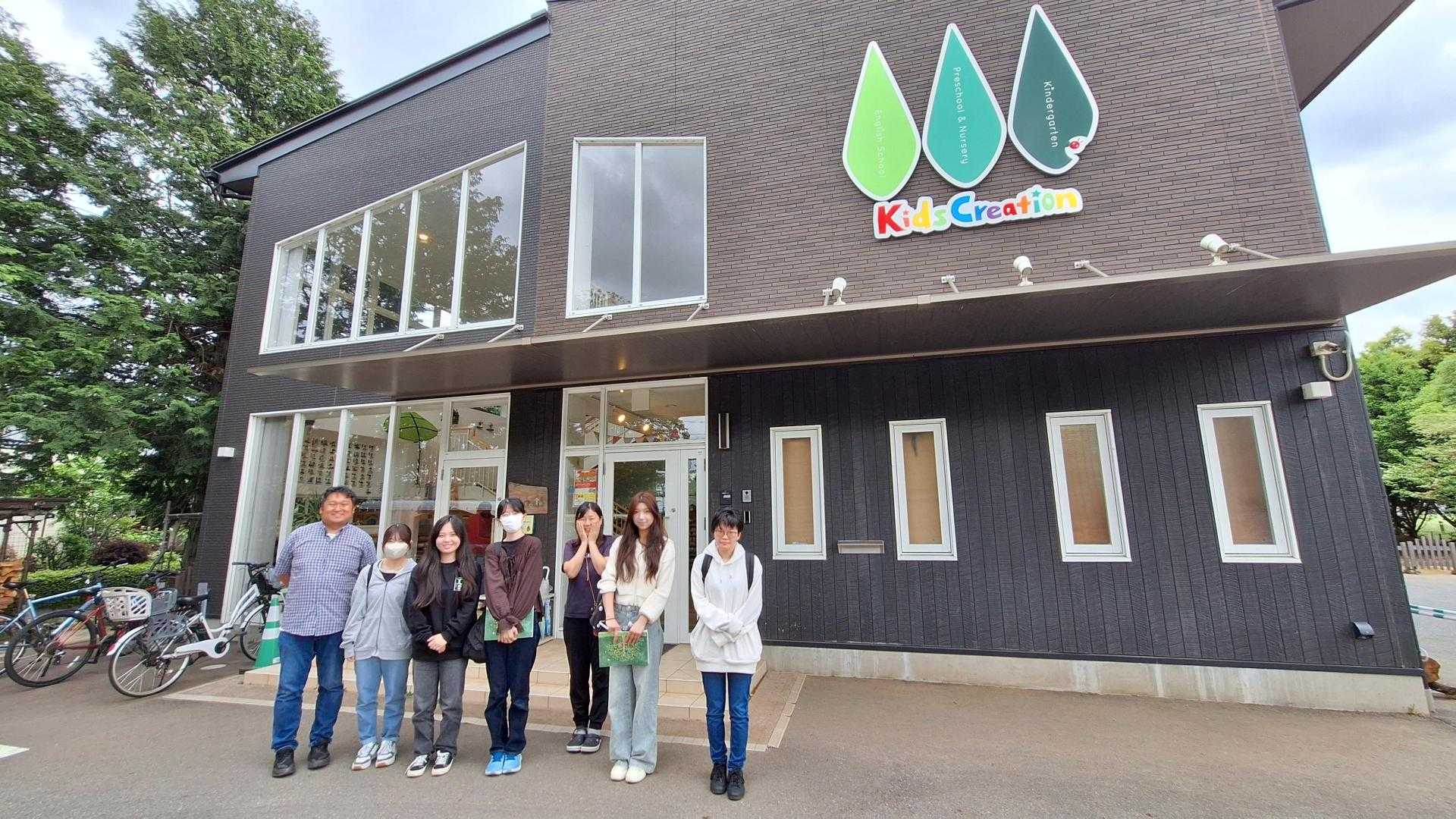
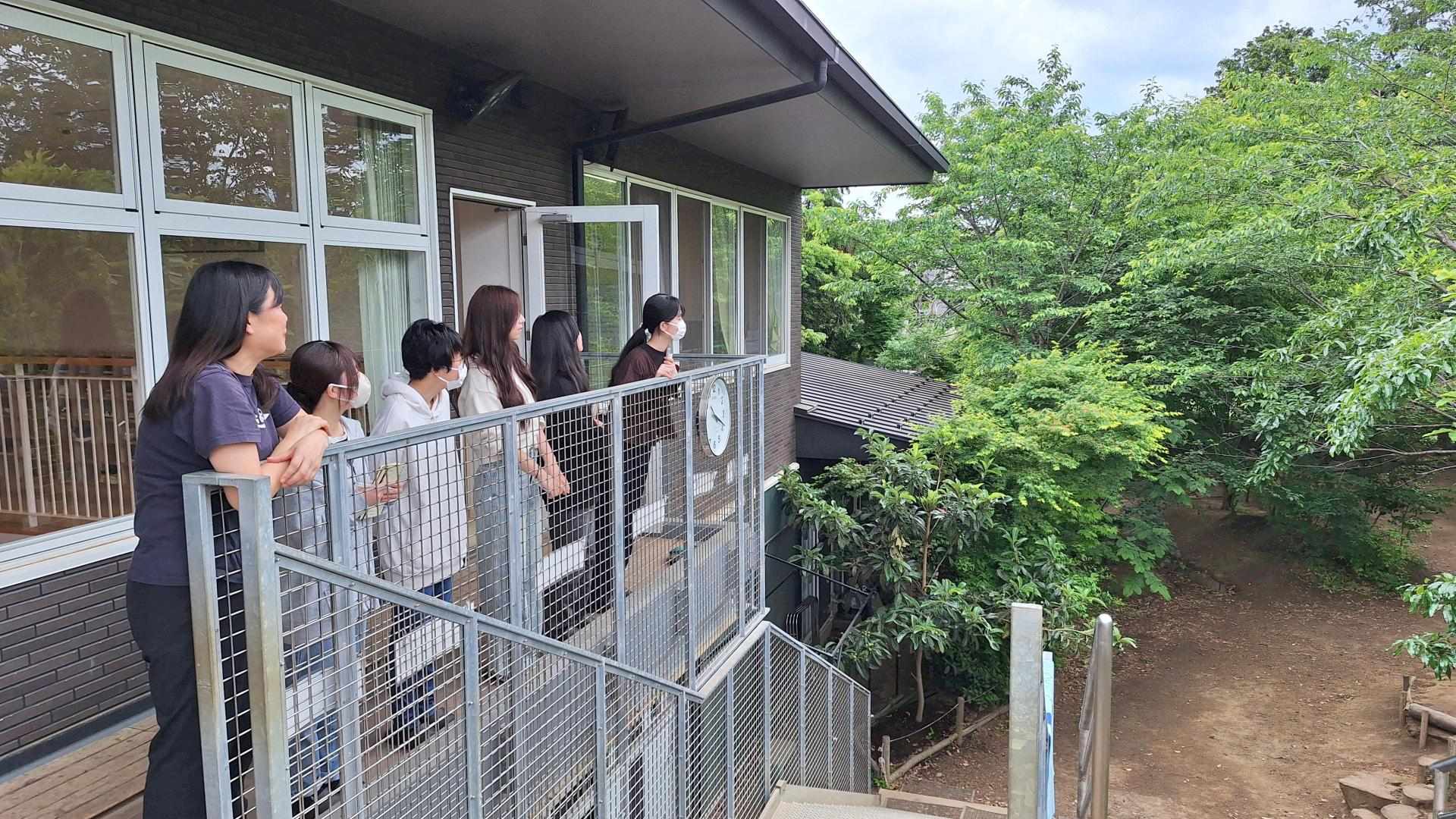
At Kids Creation, for example, students observed children actively communicating in an environment where English is naturally used. Many expressed surprise, noting that “the level of independent learning exceeded our expectations.” They also found that aspects such as the spacious facilities, the surrounding natural environment, the thoughtful use of space, and designated areas where children can relax alone were elements that could only truly be appreciated through an on-site visit.
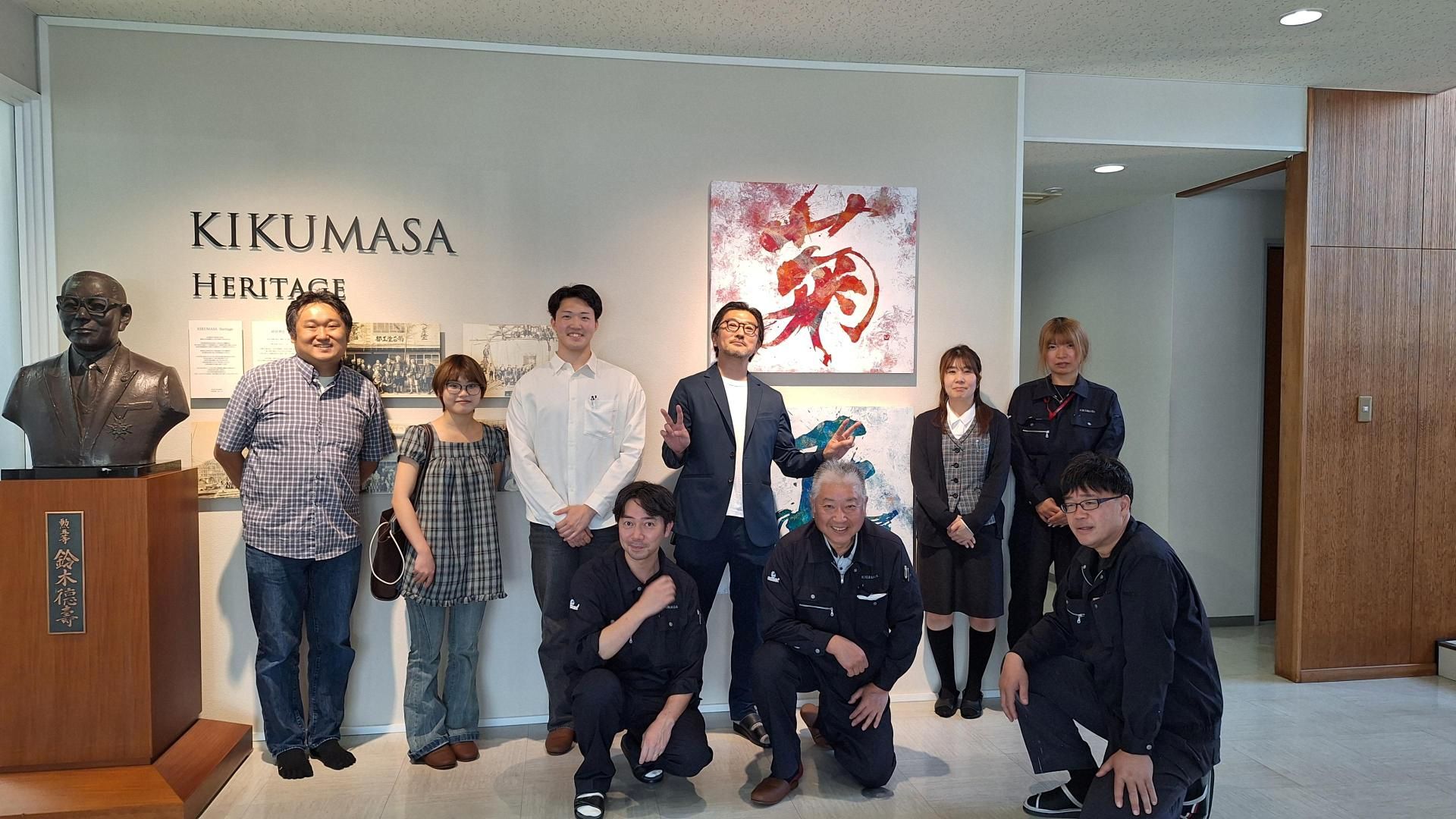
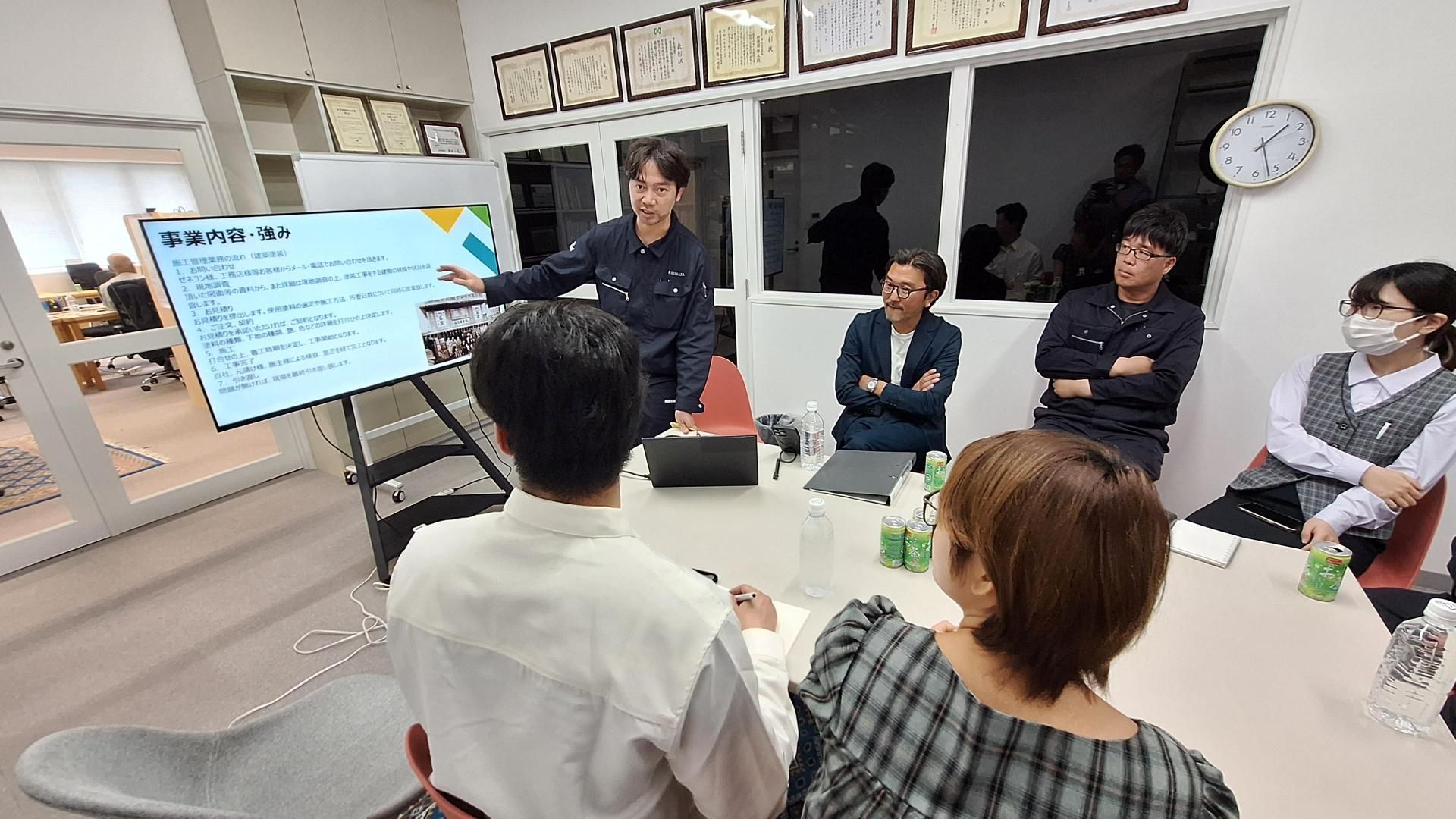
At Kikumasa Painting, students were struck by the bright and open atmosphere, which challenged their preconception of what a painting company might be like. They also noted the close relationship between the company president and employees, as well as the positive and open workplace environment. At the same time, students began to consider deeper organizational issues such as leadership development and task allocation. Observing the workplace directly encouraged them to move beyond surface impressions and ask more critical questions.
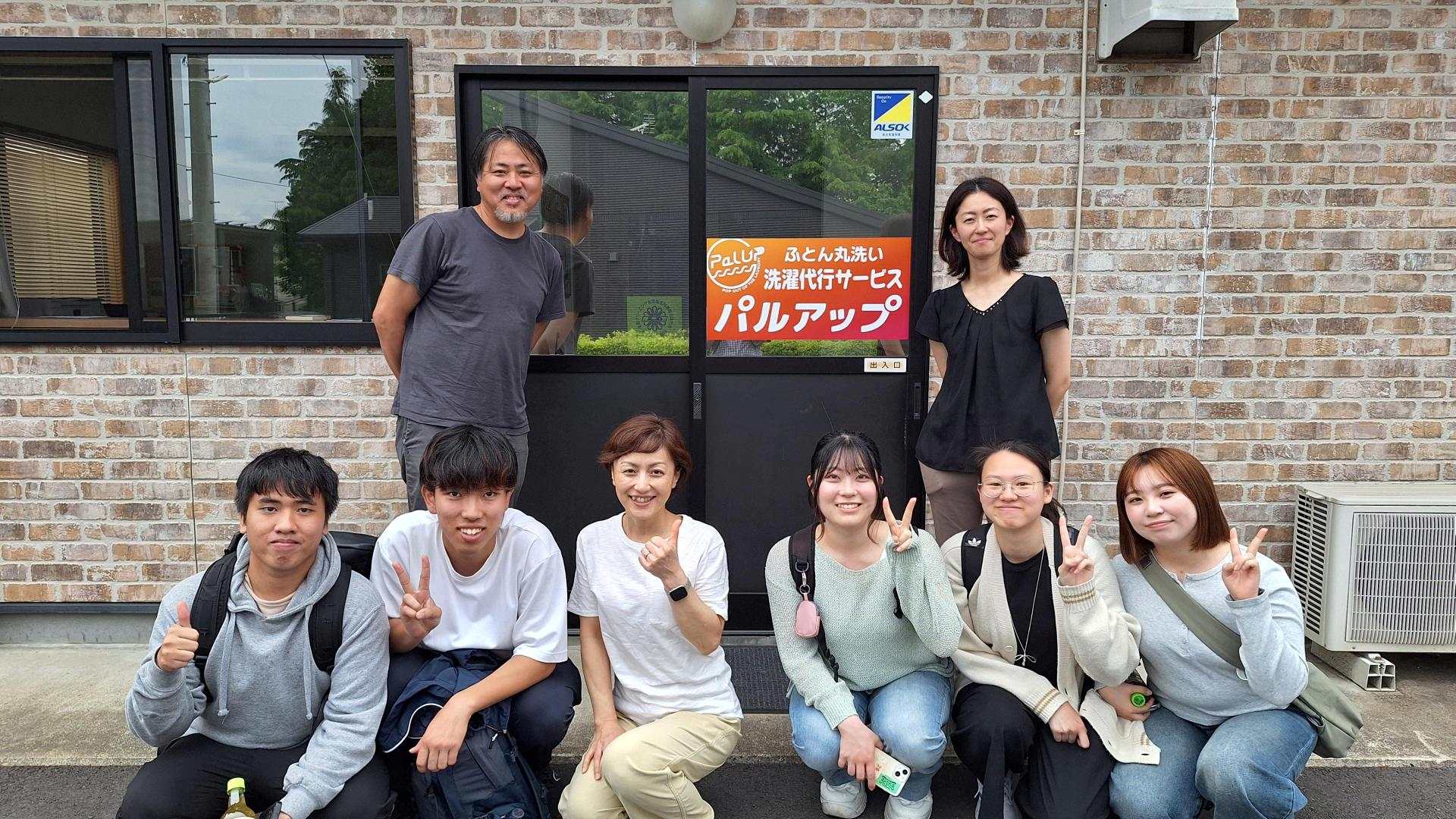
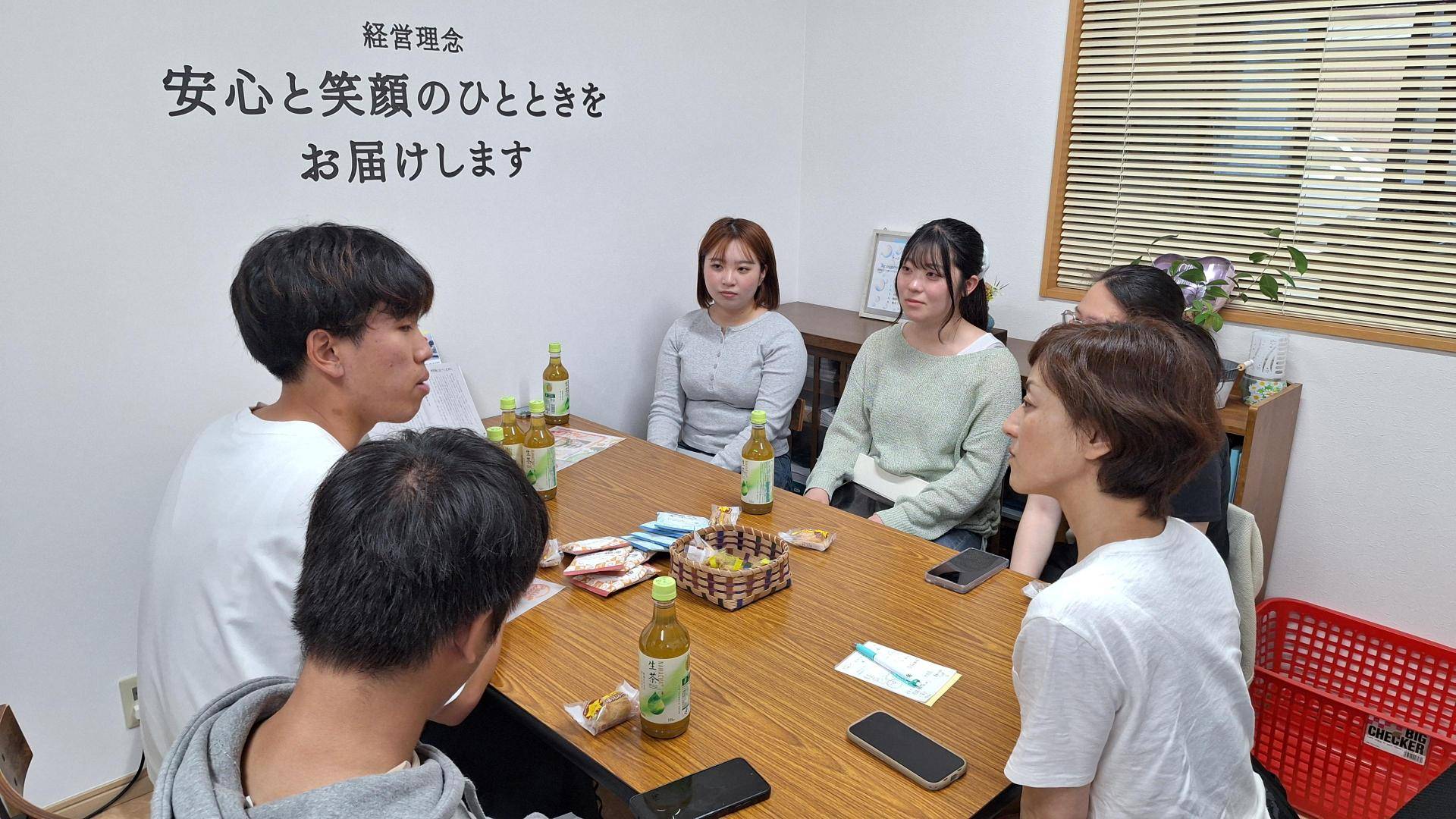
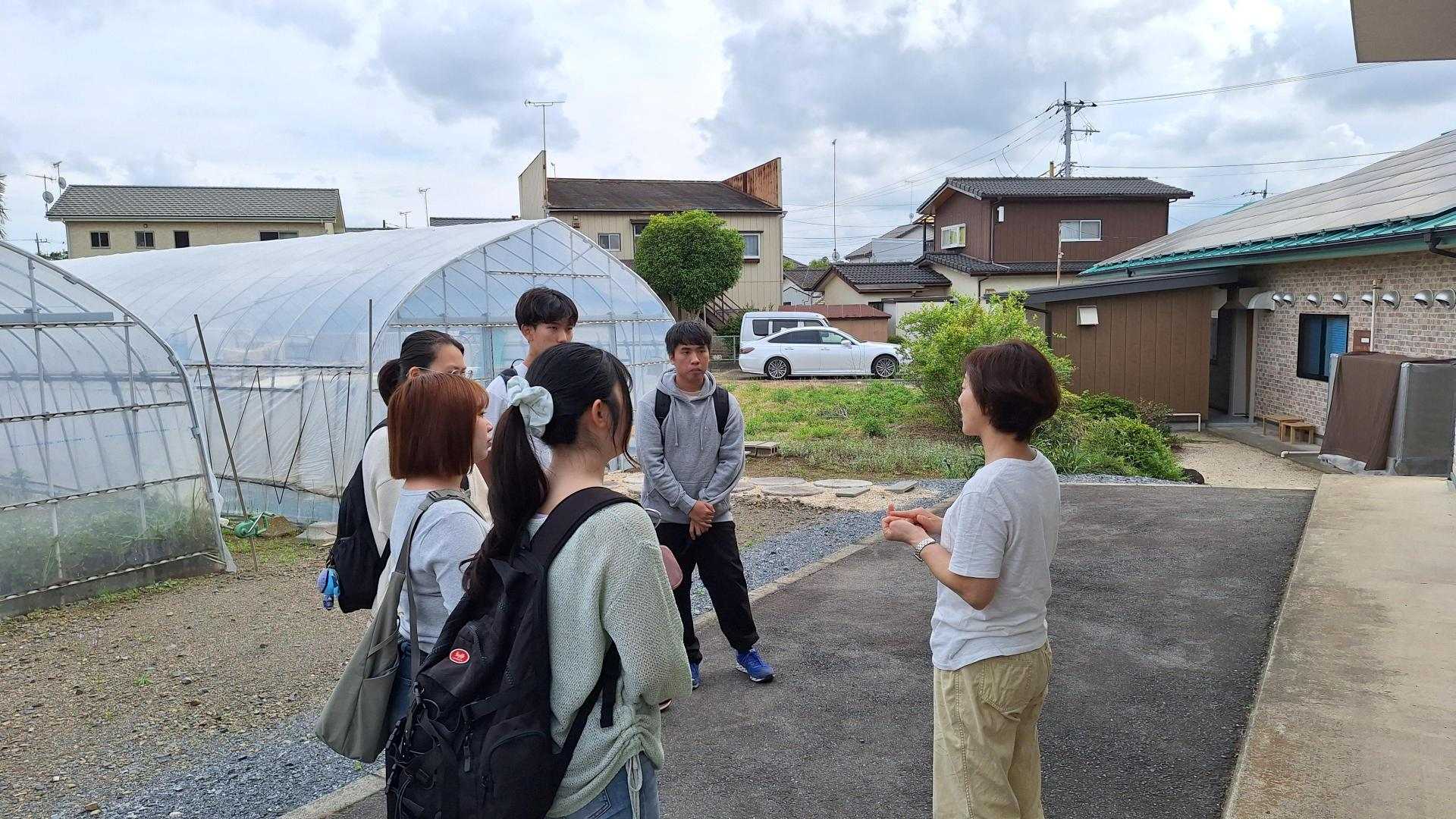
During the visit to Palup, significant progress was made in aligning the direction between the company and the students. Through face-to-face discussions, ideas for events and new business initiatives became more concrete, giving students confidence that their proposals could move beyond abstract concepts and toward practical implementation. They also recognized that needs vary depending on generation and perspective, highlighting the importance of considering the broader community.
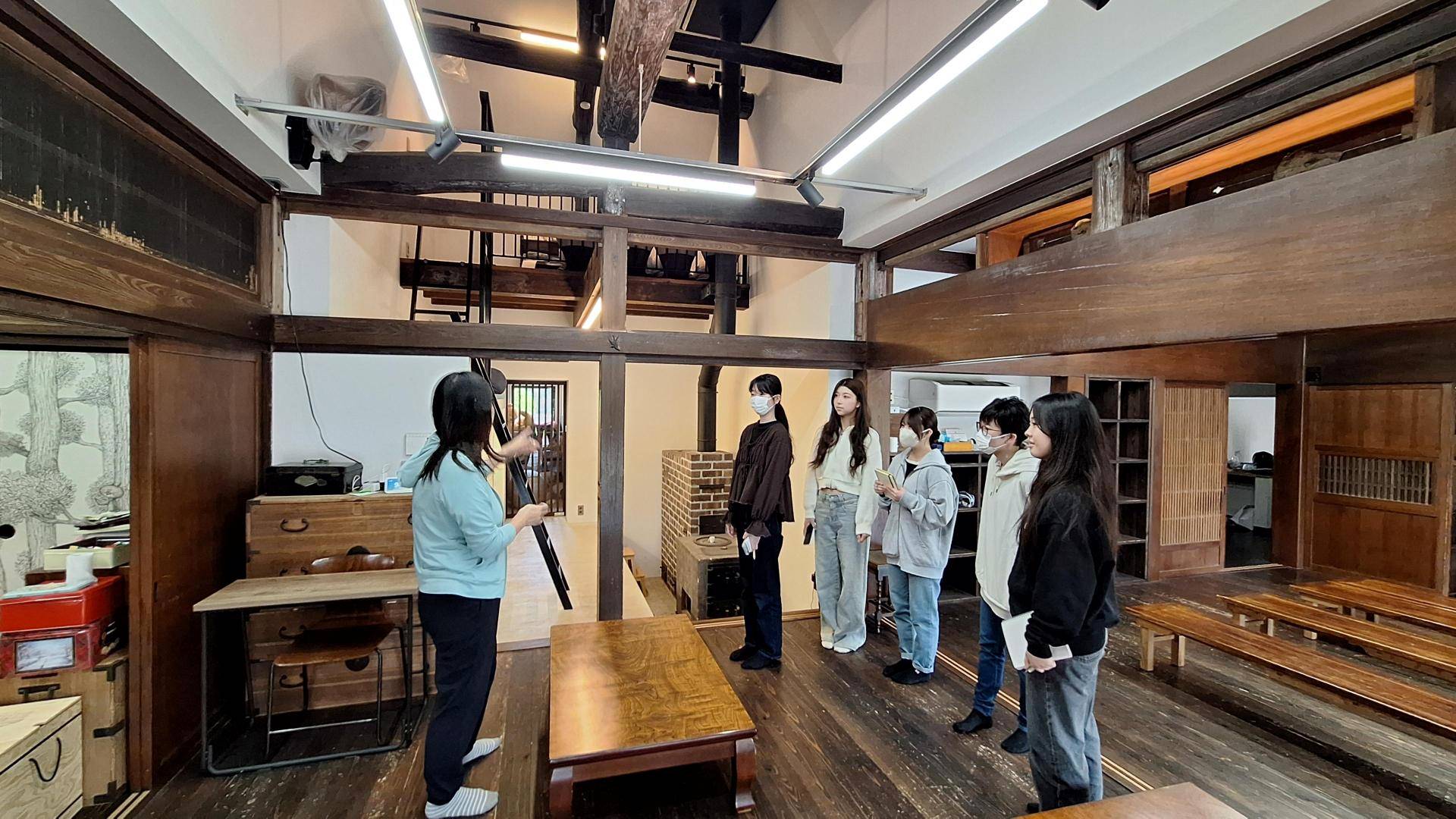
In addition, a visit to the café restaurant Le Lien, operated by KJ-NETWORK, offered insights into the importance of spatial design and experiential value. The café, renovated from a vacant house, features a calm and refined interior that reflects its concept of being a “place where people connect.” Students were particularly impressed by the close interaction between staff and customers. They also had the opportunity to taste the menu, allowing them to understand the café’s appeal from multiple perspectives, including taste, presentation, and customer satisfaction.
Following the visits, many students expressed a desire to explore further and think more deeply about what they had learned. Key questions that emerged included:
・How can the appeal of a facility be effectively communicated before a visit? (information dissemination)
・Do proposed ideas truly match the needs of the local community? (research and analysis)
・How is communication structured within organizations? (internal communication)
These questions are now guiding the next stage of their inquiry.
The company visits served not merely as observations, but as an entry point into “thinking from the field.” By encountering real-world challenges and strengths that cannot be seen in the classroom, students have developed more concrete and multifaceted perspectives.
Moving forward, they will build on these insights to develop more practical and feasible proposals. The ongoing process of dialogue and co-creation between local businesses and students continues to be a central and valuable feature of this course.