

New information
Student-Led Project: Connecting Through “Games from Around the World”: Booth at the Roman de Night Market(Saturday, May 23)
On Saturday, May 23, 2026, students from Ibaraki University participated in the community event “Roman de Night Market” held at Keiganji Temple (Nijusanya-son) near the university campus.
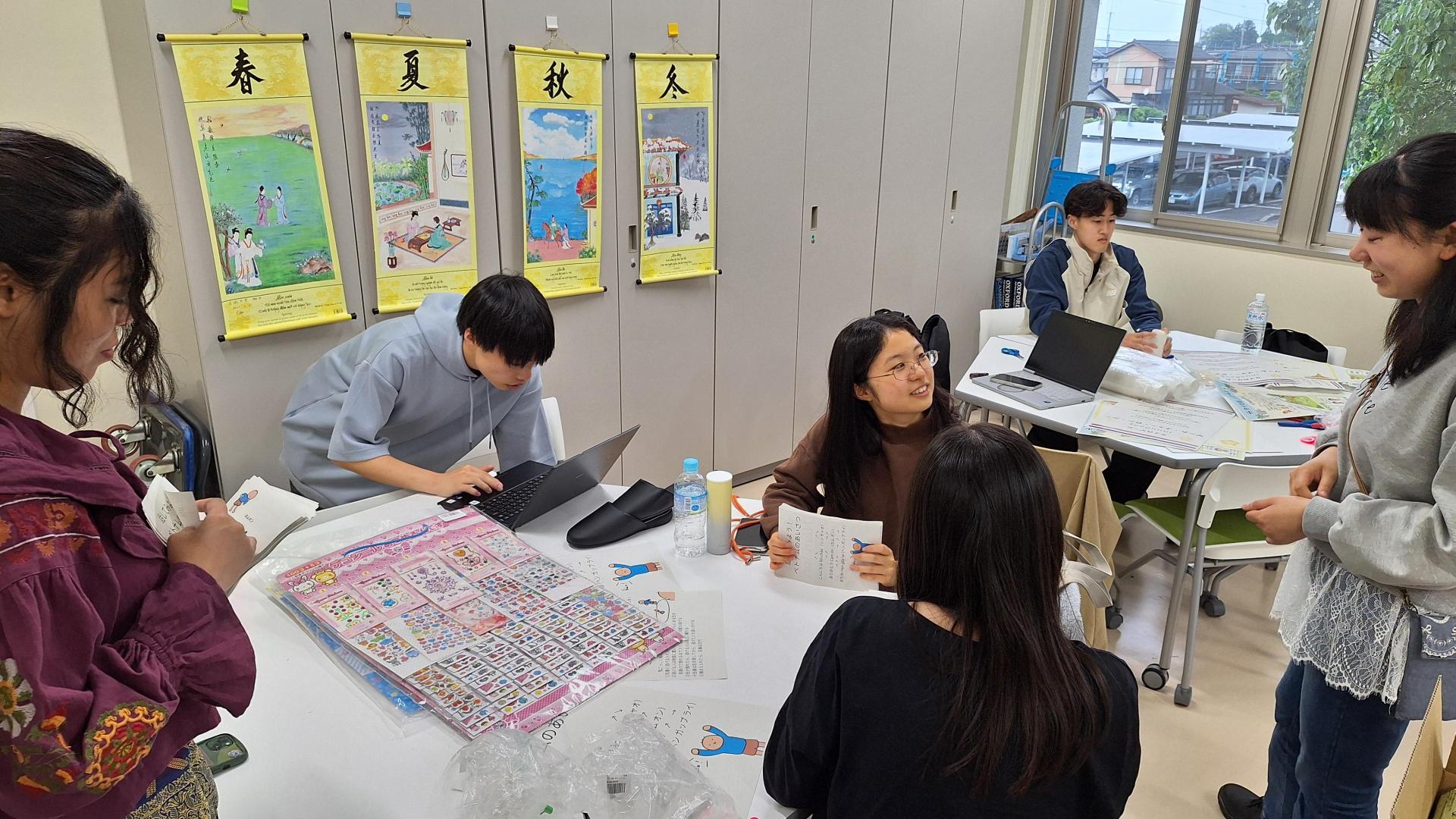
This initiative was organized by the Center for Global Engagement at Ibaraki University, which recruited student participants. The project was carried out under faculty supervision, with 11 volunteer students taking part. Over a two-week preparation period, the students worked together to plan the booth, discussing ideas such as what kinds of games to introduce and how to make them enjoyable for both children and adults.
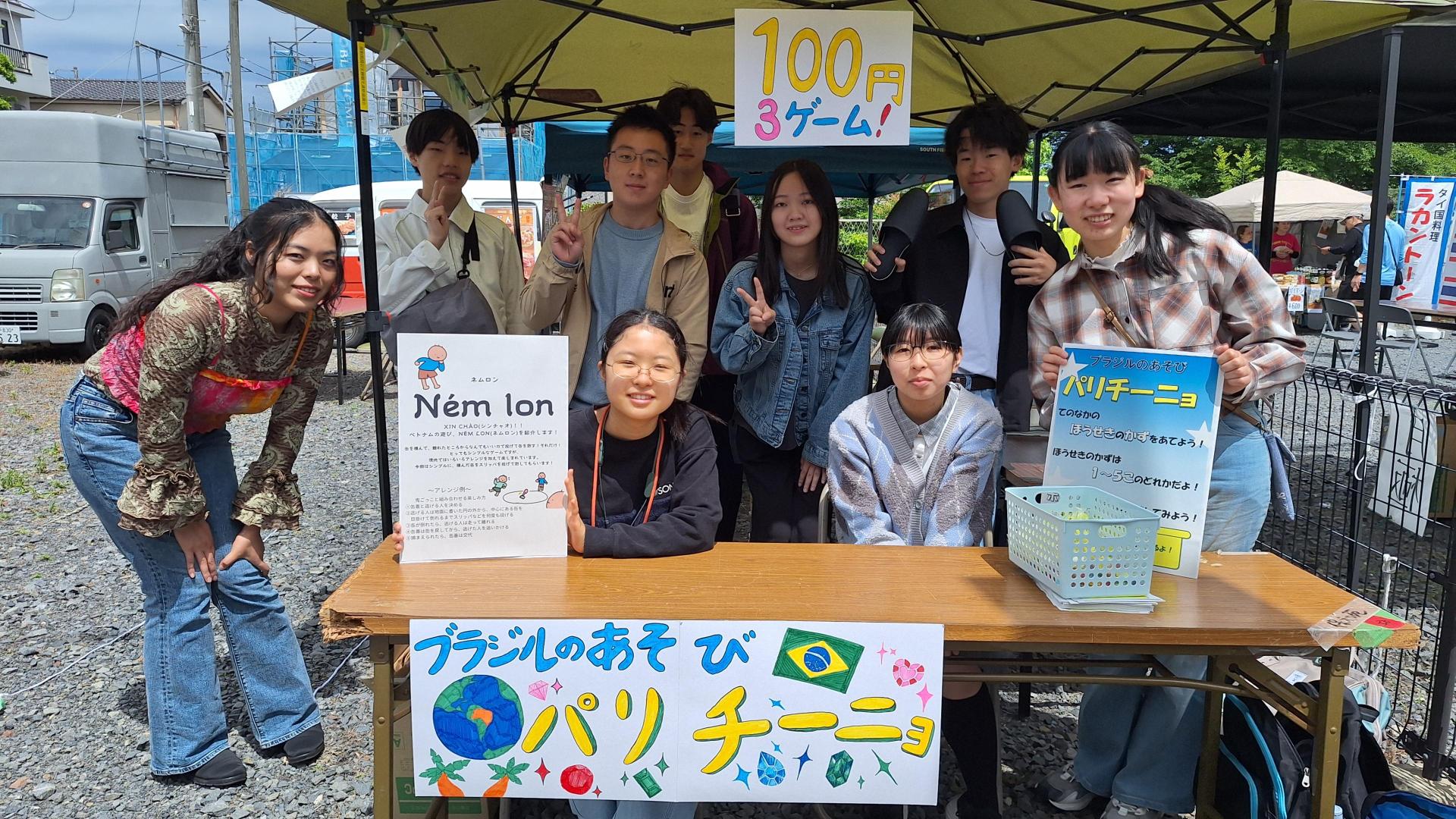
On the day of the event, the students ran a “World Games Experience Booth”, offering visitors the chance to casually experience different cultures through play.
They introduced games from three countries:
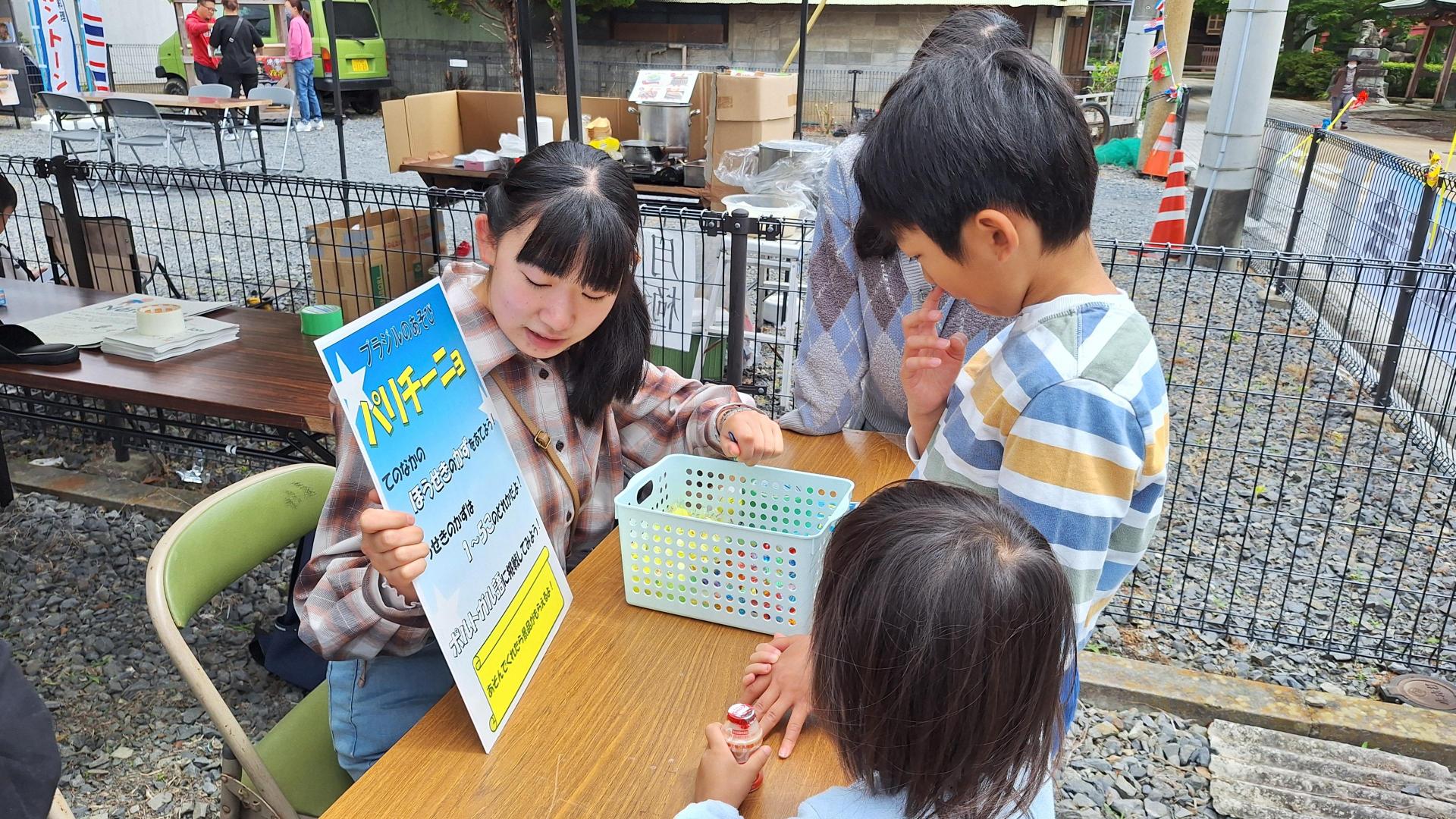
🇧🇷 Brazil: Paritinho
A guessing game in which participants try to predict the number of “gems” (1 to 5) hidden in someone’s hand.
Participants answered using Portuguese numbers, allowing them to enjoy both the game and a simple language-learning experience.
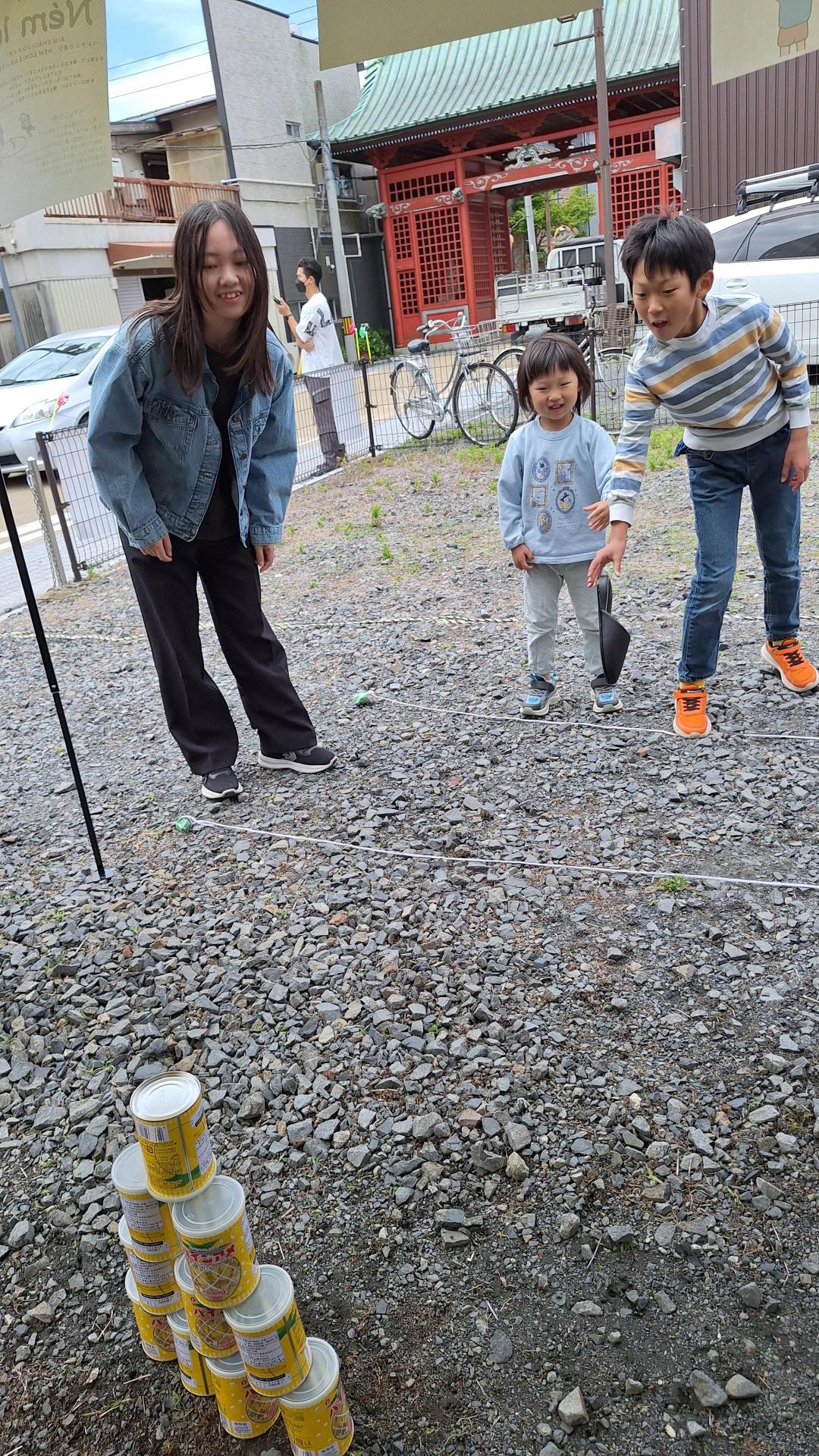
🇻🇳 Vietnam: Nem Lon
Players throw a slipper from a short distance to knock down stacked targets.
This simple but exciting game was especially popular with children and attracted many participants.
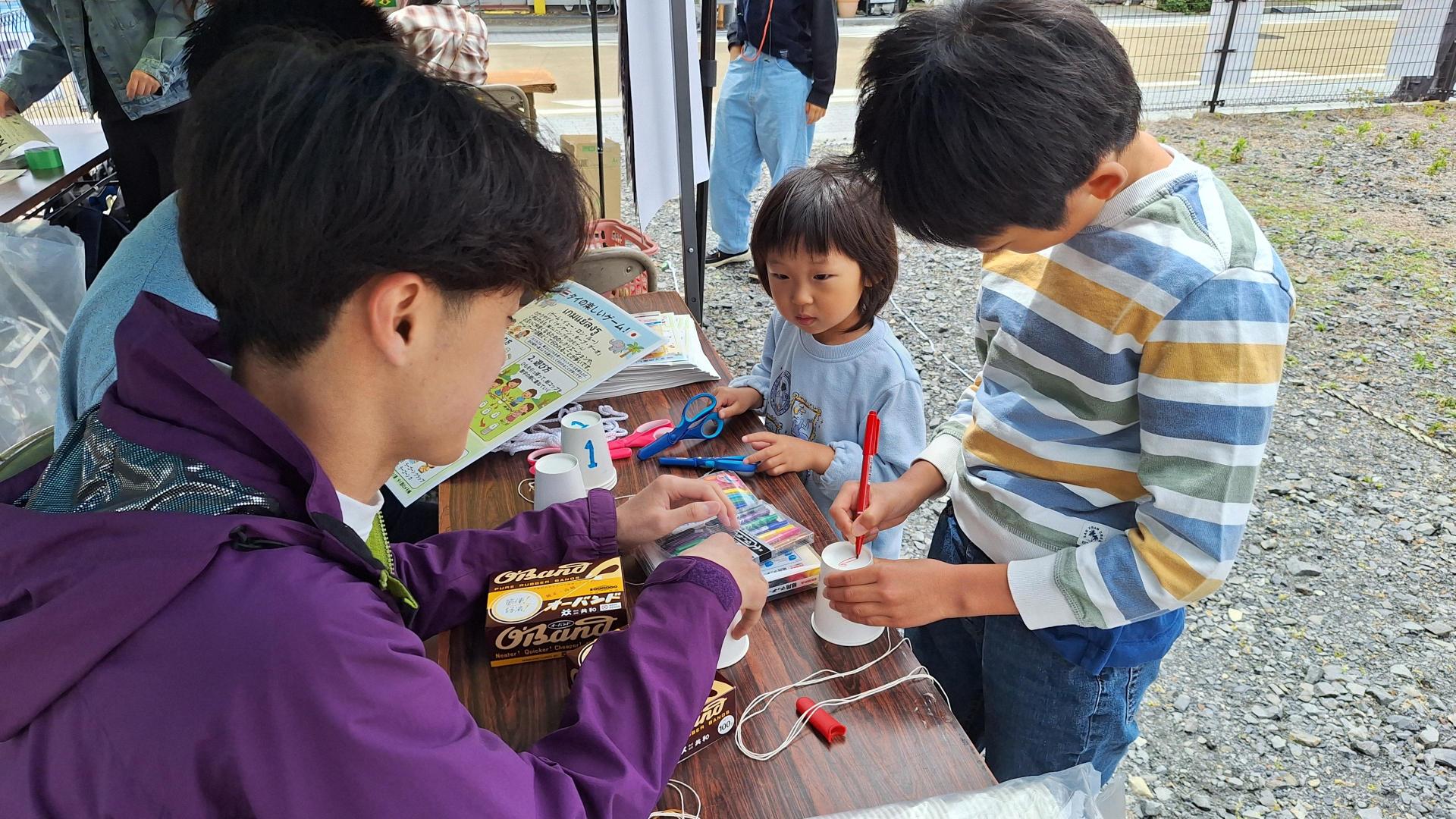
🇹🇭 Thailand: Yae Long Lu
A cooperative game using handmade tools such as paper cups, rubber bands, and strings.
Participants worked together by pulling strings attached to a rubber band to lift and move paper cups, aiming to stack them in numerical order.
This activity encouraged teamwork and communication, creating natural interaction among participants.
Throughout the day, many local residents—both children and adults—visited the booth and enjoyed the games. The students actively engaged with visitors by explaining the rules and facilitating the activities, creating a lively and welcoming atmosphere.
This project provided a valuable hands-on learning opportunity, as students took responsibility for the entire process—from planning and preparation to on-site operation. With guidance from faculty members, they developed skills in teamwork, communication, and adapting their approach to different participants.
Through this experience, students connected with the local community while promoting cross-cultural understanding in a fun and accessible way.
We look forward to seeing their continued growth and future activities!