


New information
Taking on Brazilian Cuisine: Becoming Cultural Ambassadors — COIL Project(Saturday, May 30)
On Saturday, May 23, 2026, students from Ibaraki University participated in the community event “Roman de Night Market” held at Keiganji Temple (Nijusanya-son) near the university campus.
This initiative was organized by the Center for Global Engagement at Ibaraki University, which recruited student participants. The project was carried out under faculty supervision, with 11 volunteer students taking part. Over a two-week preparation period, the students worked together to plan the booth, discussing ideas such as what kinds of games to introduce and how to make them enjoyable for both children and adults.
On the day of the event, the students ran a “World Games Experience Booth”, offering visitors the chance to casually experience different cultures through play.
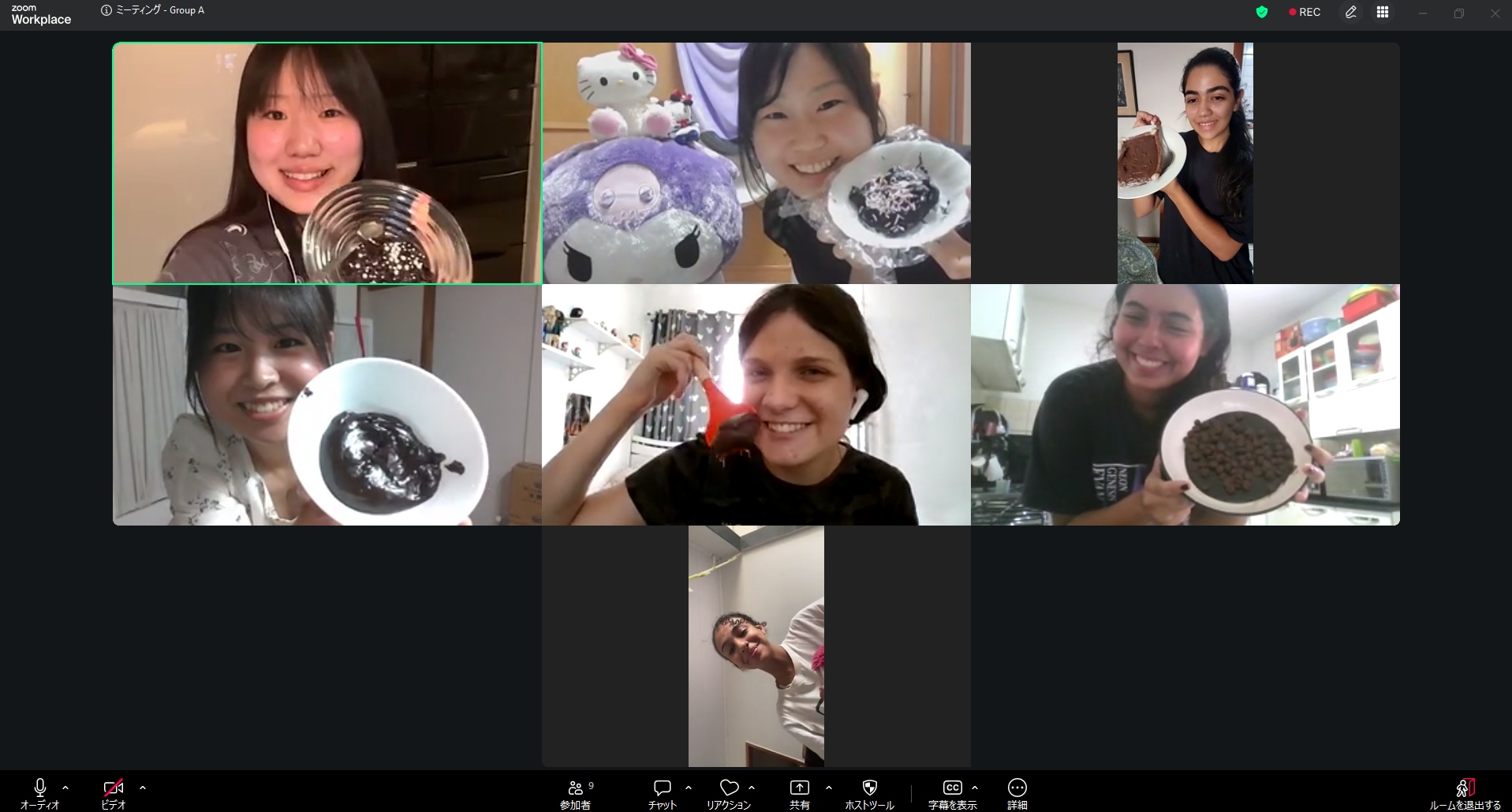
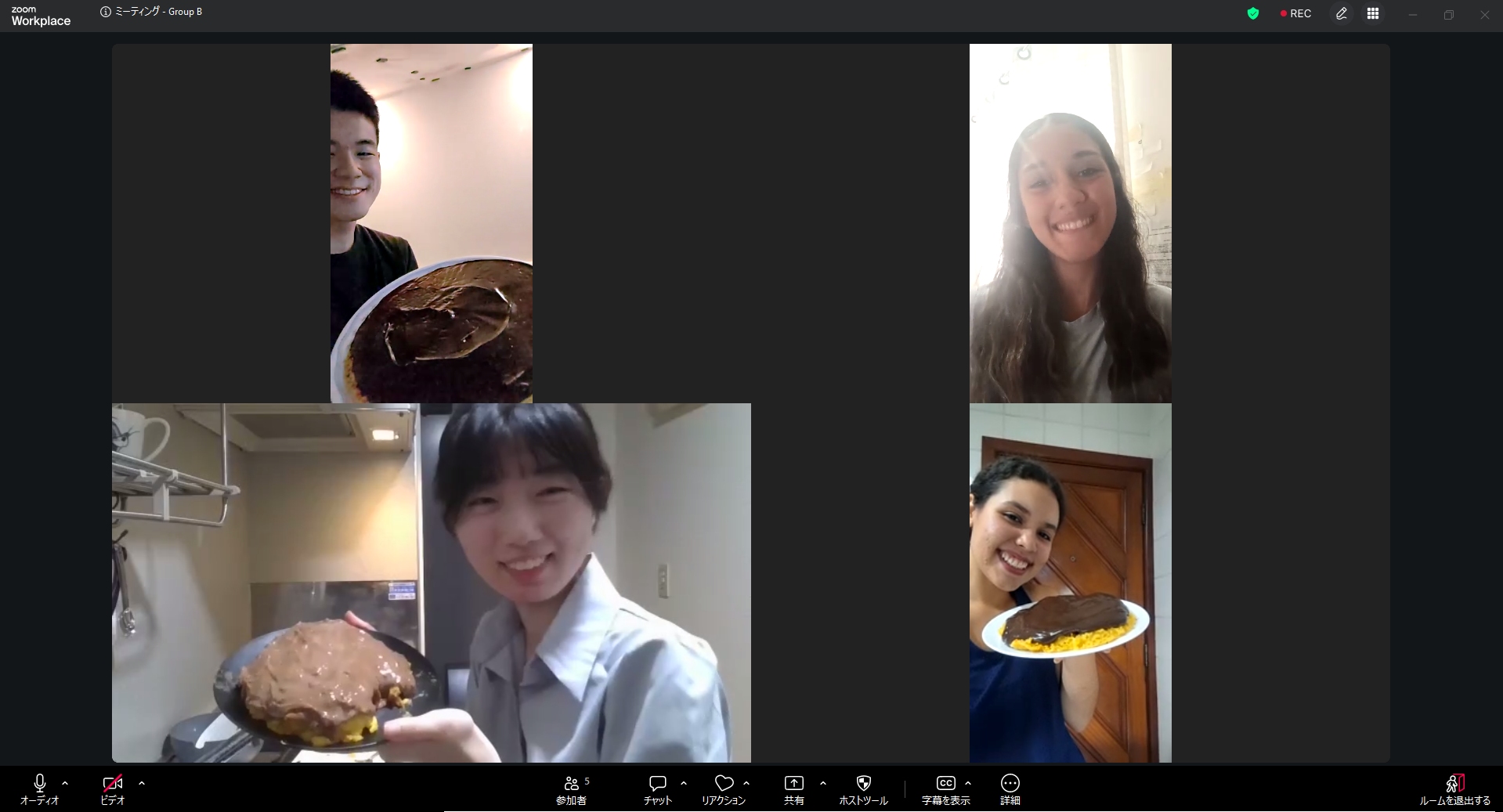
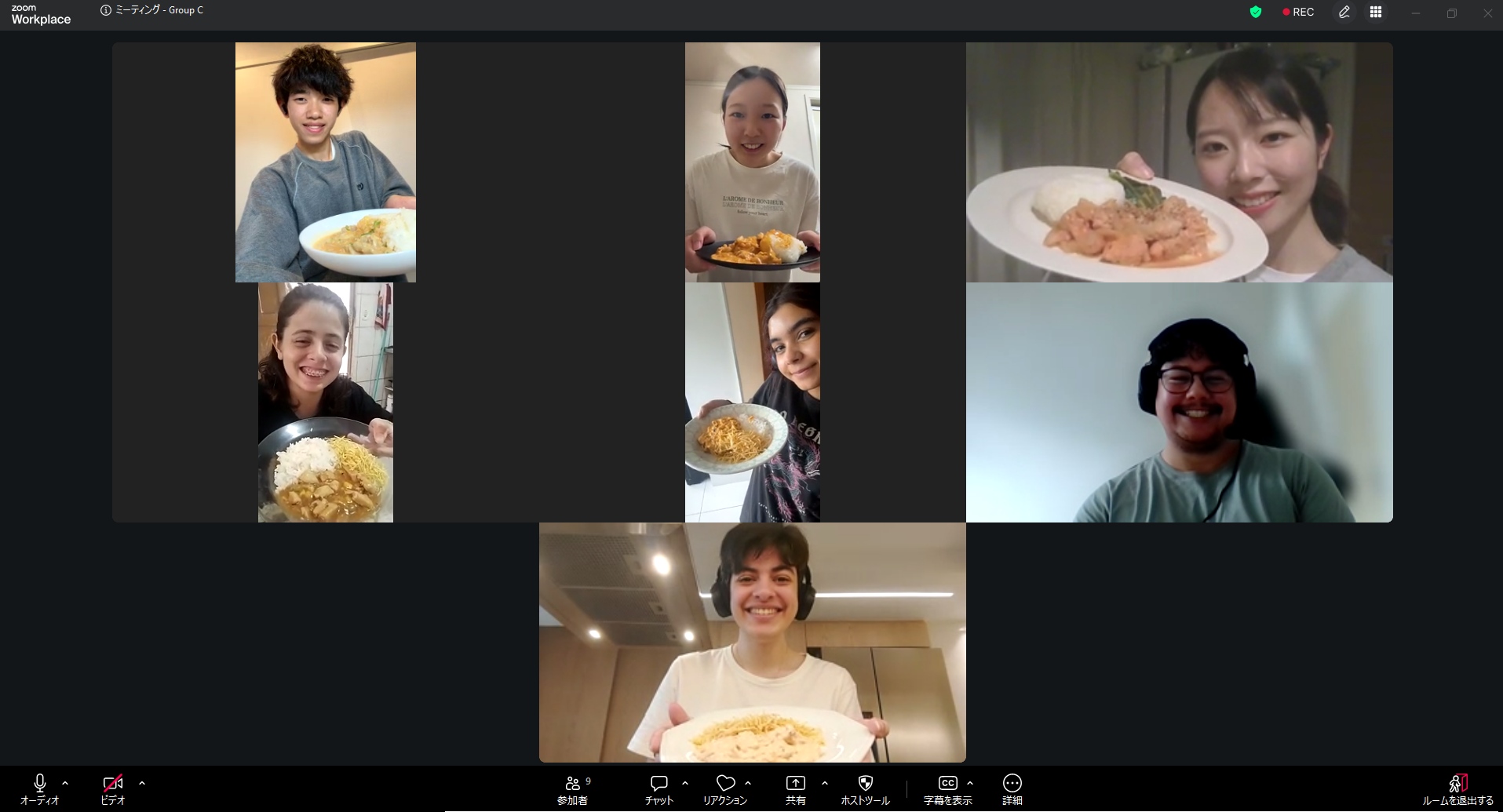
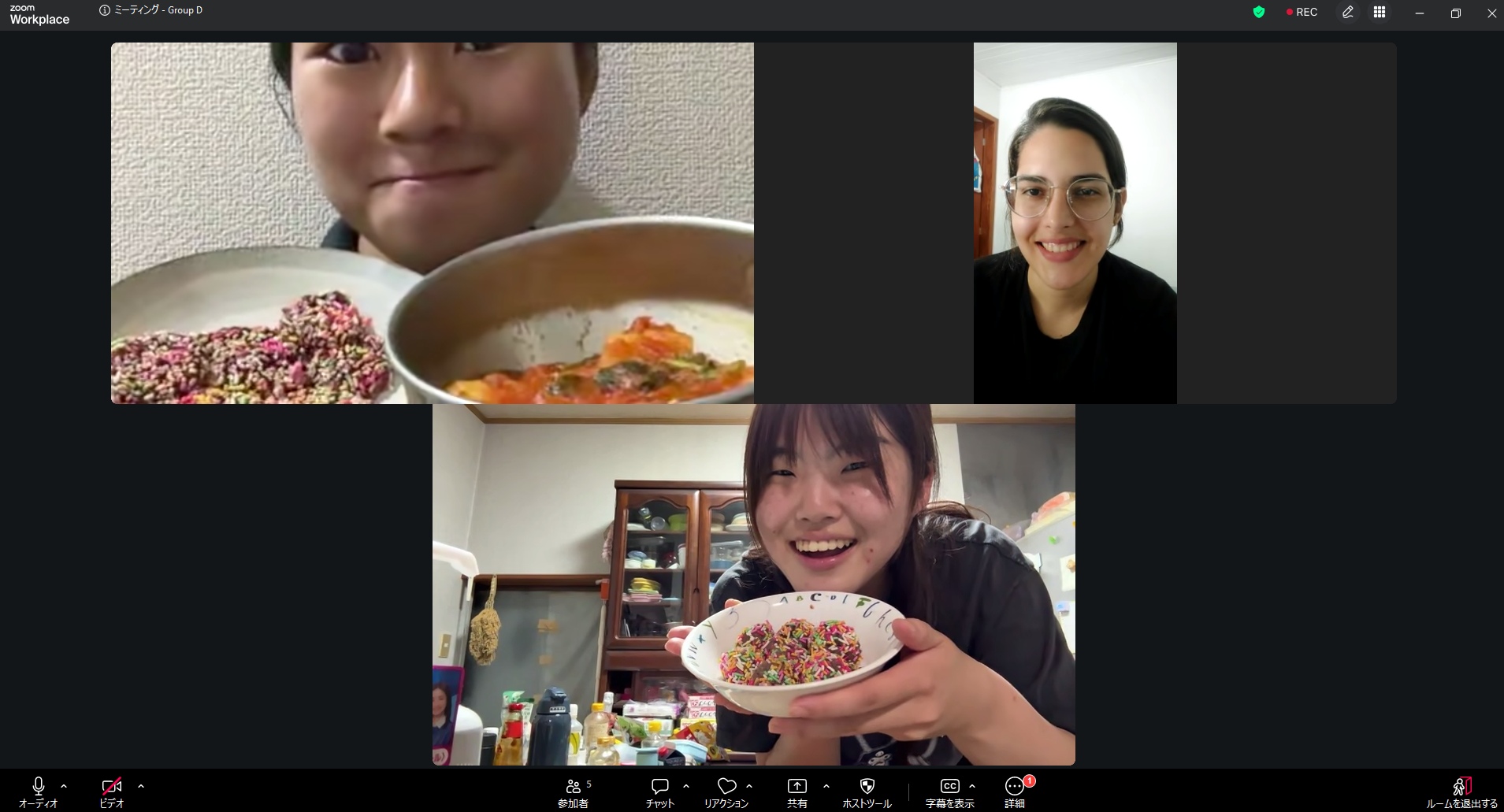
On Saturday, May 30, 2026, Ibaraki University and the Federal University of Espírito Santo (UFES), Brazil, connected online to conduct a cross-cultural culinary exchange activity (Brazilian cuisine session). This initiative was part of the COIL (Collaborative Online International Learning) project implemented within the course “International Collaborative Learning (Brazil)” offered by the Global Engagement Center.
This course aims to foster mutual understanding by bringing together students from Japan and Brazil to collaborate online, transcending linguistic and cultural differences. Through discussions and joint activities, students develop intercultural communication skills, enhance their practical English proficiency, and strengthen their ability to work collaboratively on shared tasks.
In the Japanese cuisine session held on May 23, Ibaraki students took the lead as instructors. In this second session, the roles were reversed, with Brazilian students introducing their own cuisine to their Japanese peers. Connecting from their respective kitchens, students shared the experience of cooking the same dishes simultaneously while communicating in English.
🍽️ Dishes prepared in this session:
Brigadeiro de colher
Strogonoff
Moqueca de banana
Brigadeiro
Brazilian students carefully explained ingredients and cooking procedures while supporting the Japanese students throughout the process. As this was their second cooking session together, a sense of familiarity had already developed among the participants. Conversations flowed naturally, with exchanges such as “How was the dish you made last time?” and “That looks really good!” creating a relaxed, friendly atmosphere—much like cooking with friends. Smiles, laughter, and gestures filled the screen, highlighting a shift from structured instruction to more spontaneous and personal interaction. Discussions also extended to everyday life, with questions like “Do you often cook this at home?” and “Does your family like this dish?”, leading to a deeper and more personal understanding of each other’s food culture.
🍫 Brigadeiro de colher
A variation of Brazil’s iconic sweet brigadeiro, made by cooking condensed milk, cocoa powder, and butter. This version is eaten with a spoon rather than rolled, offering a rich and creamy dessert commonly enjoyed at home.
🍲 Strogonoff
A Brazilian-style adaptation of stroganoff, typically made with chicken or beef simmered in a creamy tomato-based sauce. It is often served with rice and potato sticks, making it a popular everyday dish.
🍌 Moqueca de banana
A creative variation of the traditional seafood stew moqueca, made using bananas instead. Prepared with coconut milk and palm oil, it features a unique balance of sweetness and richness and reflects regional culinary traditions.
🍫 Brigadeiro
A bite-sized chocolate confection rolled into balls and coated with chocolate sprinkles. It is a staple at celebrations such as birthdays and is beloved across generations in Brazil.
Through the two sessions on May 23 and May 30, students experienced both roles—teaching and learning. This role exchange not only strengthened their language skills but also helped them become more aware of how to communicate effectively, consider their partner’s perspective, and appreciate both the challenges and rewards of sharing culture with others.
Cooking the same dishes together at the same time, despite geographical distance and time differences, created a strong sense of connection among participants. This COIL project, using food as a gateway, continues to expand students’ perspectives and provide meaningful opportunities for global learning.
We look forward to the continued growth of this cross-cultural exchange that brings people together beyond borders 🌎✨