


New information
Midterm Presentations for the “Business Communication” Course (Monday, June 1)
The Business Communication (enrollment: 16 Japanese students and 8 international students) aims to develop practical business communication skills required in Japanese companies and overseas Japanese-affiliated enterprises through project-based learning. In this course, students engage with real challenges faced by companies in Ibaraki Prefecture and work toward proposing concrete solutions through research and trial initiatives.
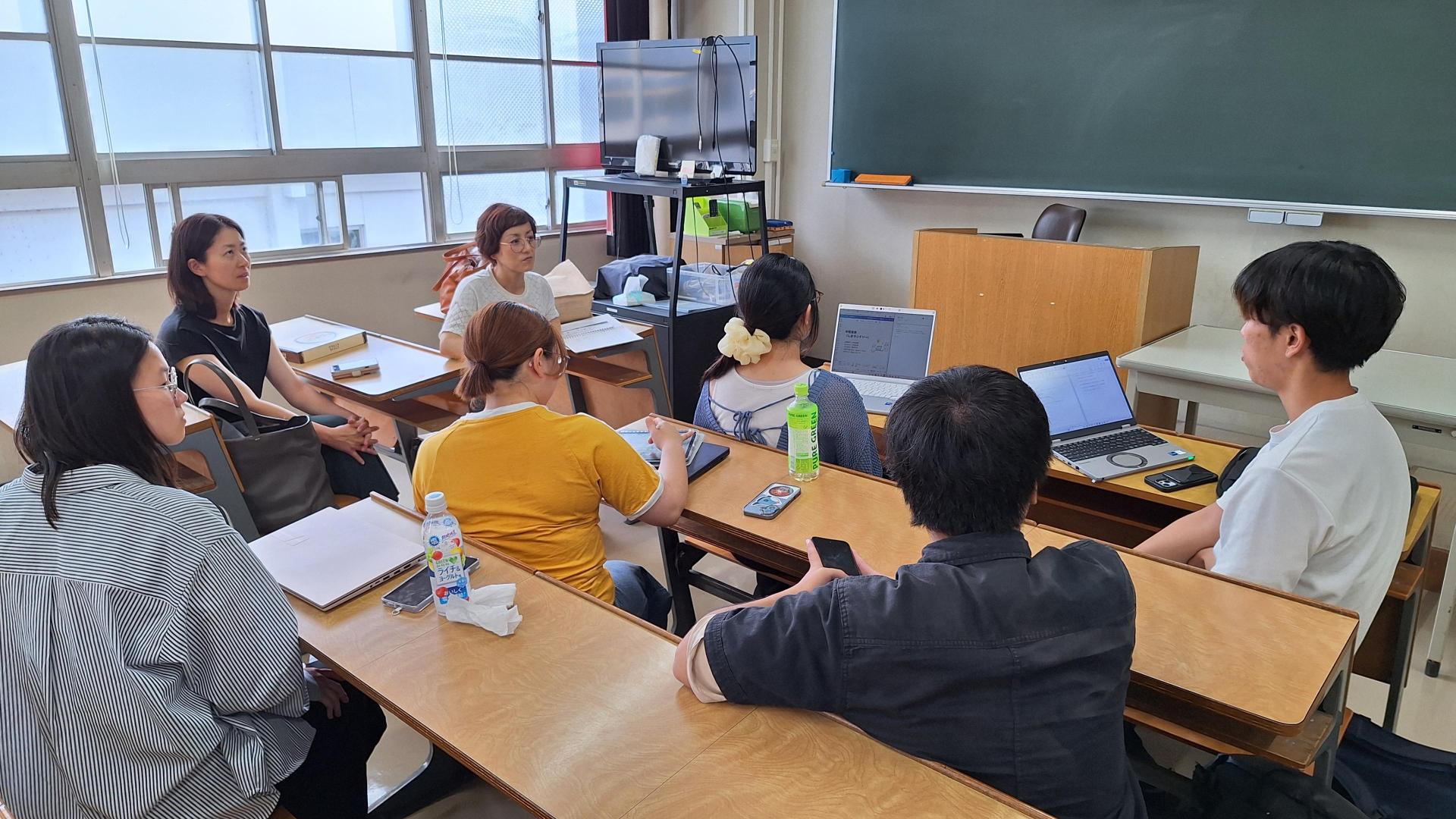
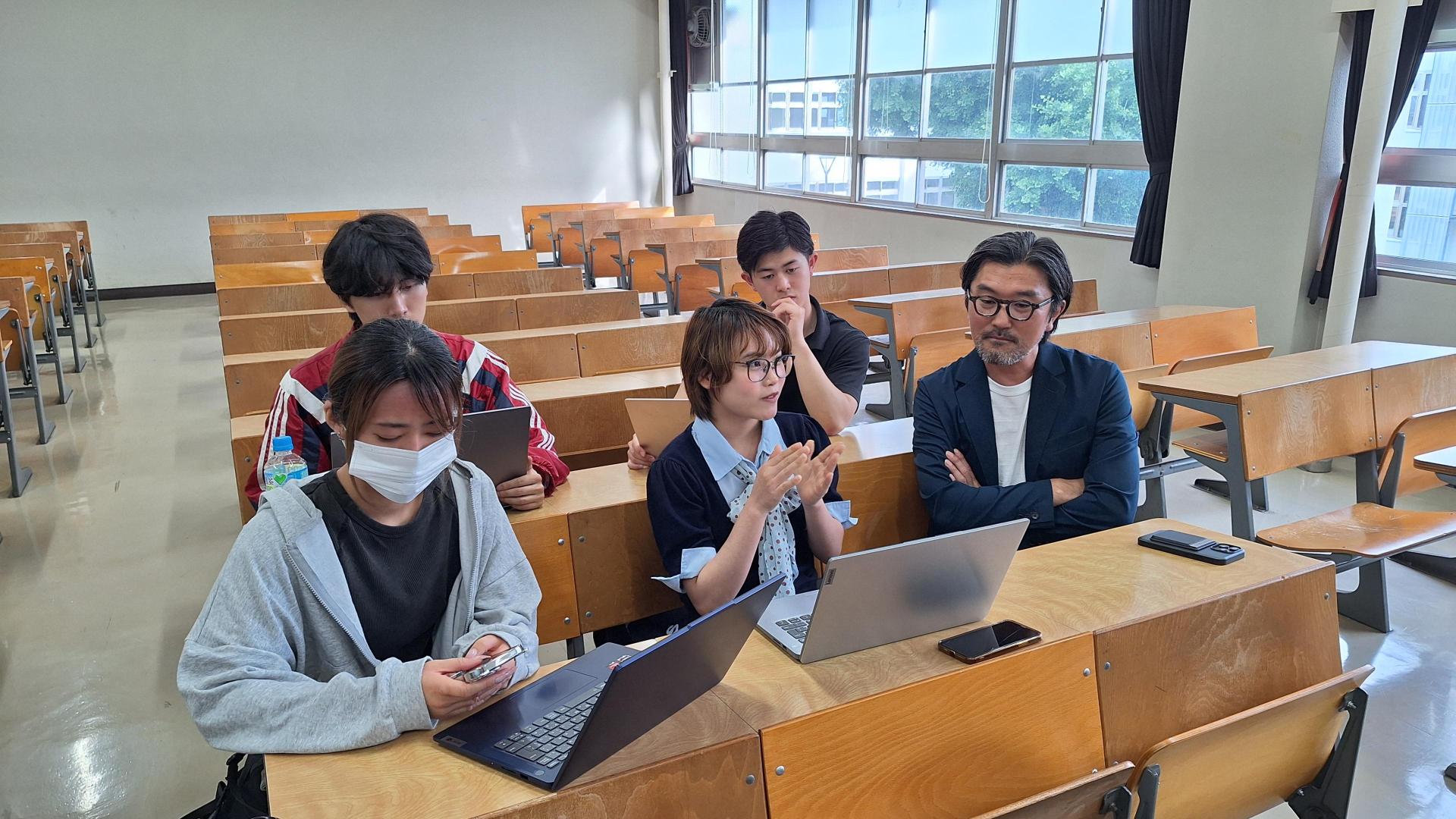
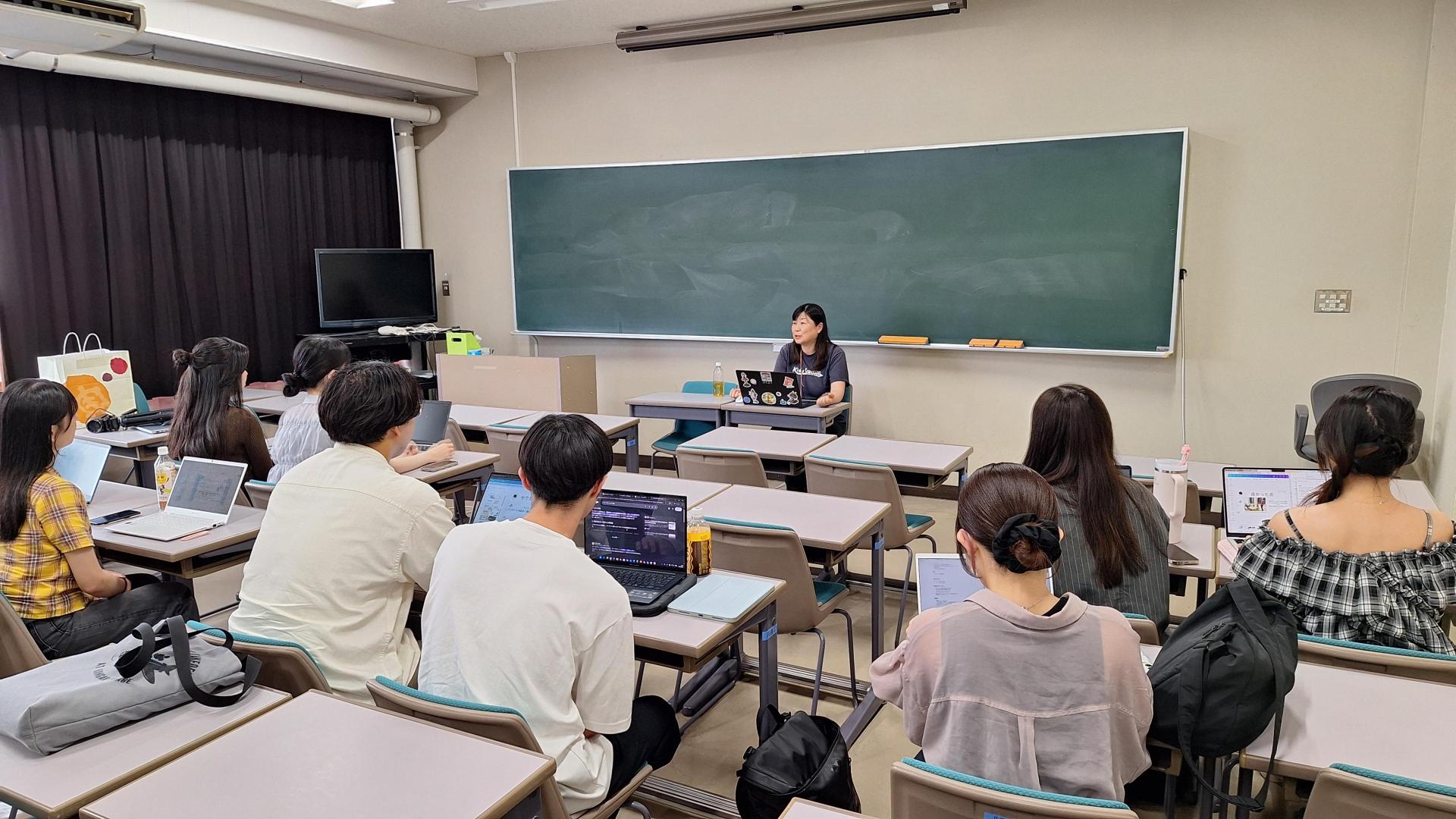
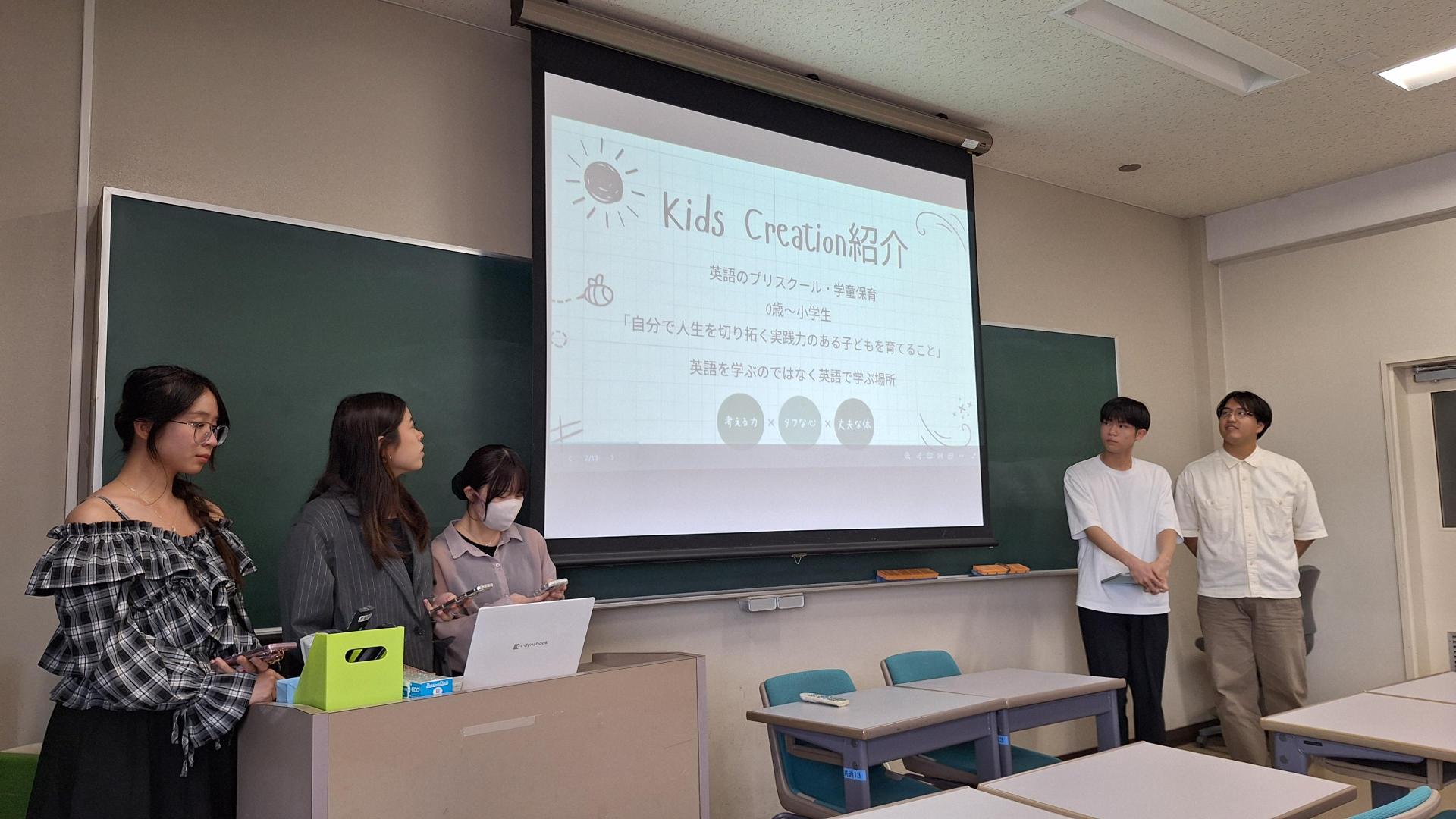
On Monday, June 1, we held midterm presentations with the participation of representatives from four partner companies: Kids Creation, KJ Network, Pal-Up, and Kikumasa Tosouten.
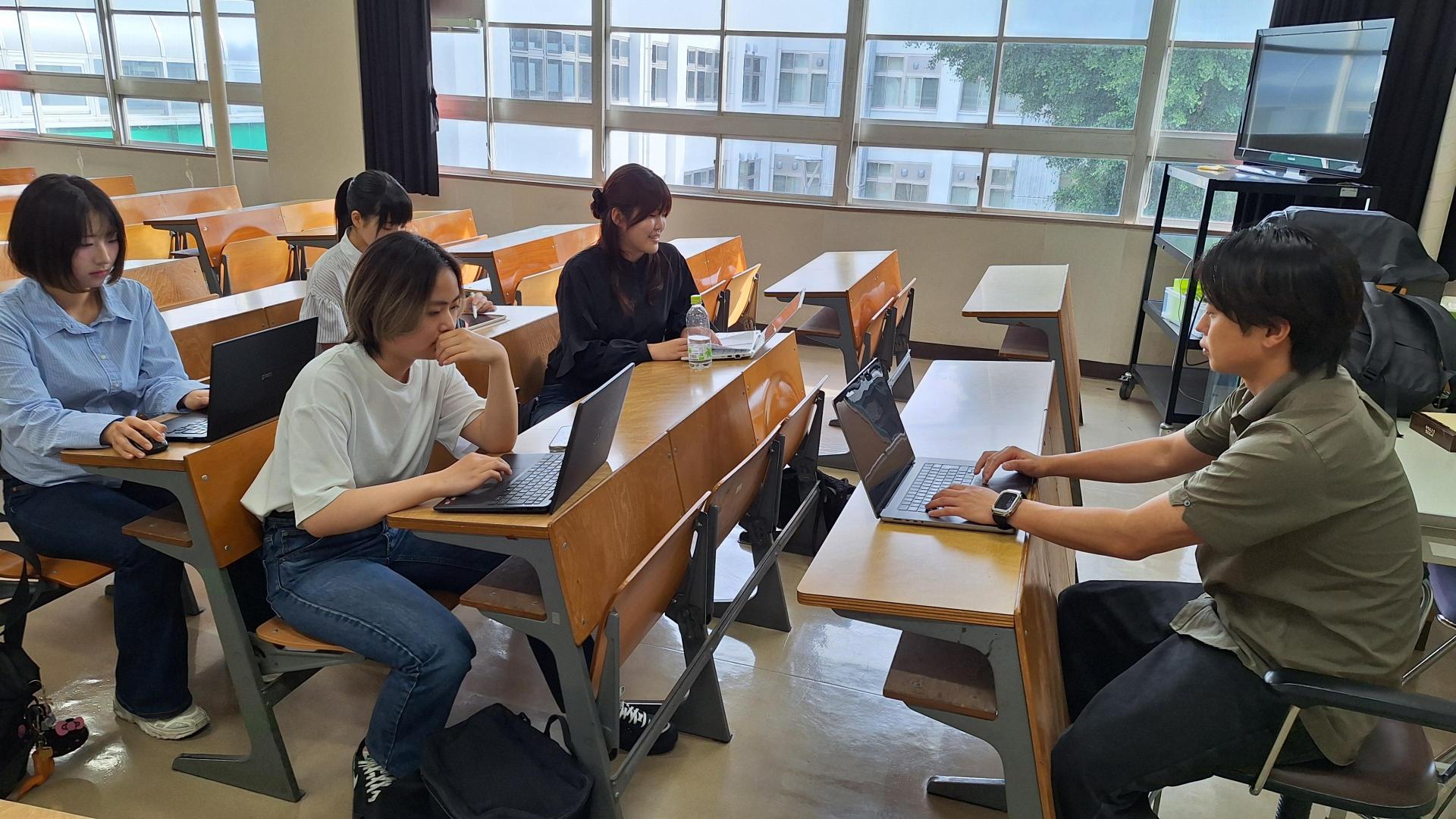
During the session, each group presented the issues they had identified based on company visits and interviews, along with their proposed solutions. Despite time constraints, many groups delivered thoughtful presentations, outlining concrete action plans and future schedules with carefully designed slides.
Students reflected that “through listening to other groups’ presentations, we realized the importance of clearly defining the purpose and expected outcomes when setting a problem,” and “although each company faces different challenges, we noticed common difficulties such as differentiation and publicity strategies.” Many also observed that “a shared issue among companies is that they have strong strengths and appeal, but these are not fully communicated to the public,” indicating a deepened understanding of the companies.
Following the presentations, students engaged in discussions with the company representatives, which provided valuable learning opportunities. For example, practitioners emphasized that “proposals must be examined in terms of feasibility” and that “when conducting surveys, it is crucial to carefully consider the target respondents and, where appropriate, include the perspectives of actual users.”
Students reflected on these exchanges, noting that “we were encouraged to reconsider whether our proposals are truly implementable” and “we recognized the importance of gradually aligning our ideas with those of the companies through dialogue.” They also highlighted the need to “consider not only the benefits of a proposal but also its risks and potential challenges from multiple perspectives,” and observed that “without clear goals and target personas, the overall direction of the project becomes unclear.”
A distinctive feature of this course is the collaborative learning environment between Japanese and international students. Participants commented that “engaging with different cultures and perspectives broadens our horizons” and that “working directly with company representatives offers an active learning experience that differs significantly from typical lectures.”
The midterm presentations served not only as an opportunity for each team to organize their progress but also as an important milestone to receive practical feedback from industry professionals. One student remarked, “We would like to apply the advice we received to our future work and contribute to the benefit of our partner company. To do so, we need to better organize our information and maintain consistent communication within our team.”
Moving forward, students will refine their plans based on the insights and challenges identified through this process, aiming to develop more feasible and impactful proposals. We look forward to seeing their continued growth and progress as they advance toward the final stage of their projects.