


New information
Learning Support Activity for Children with International Backgrounds(Thursday,July 30)
This initiative aims to help children with international backgrounds continue learning and maintain opportunities to use Japanese during long school holidays. While many of these children can communicate effectively in everyday Japanese, the “academic language” used in schools often requires more advanced vocabulary and expressions. As a result, some children experience difficulties understanding classroom content and completing homework assignments. In addition, opportunities to use Japanese tend to decrease during school vacations, which can create further challenges for their language development and academic progress.
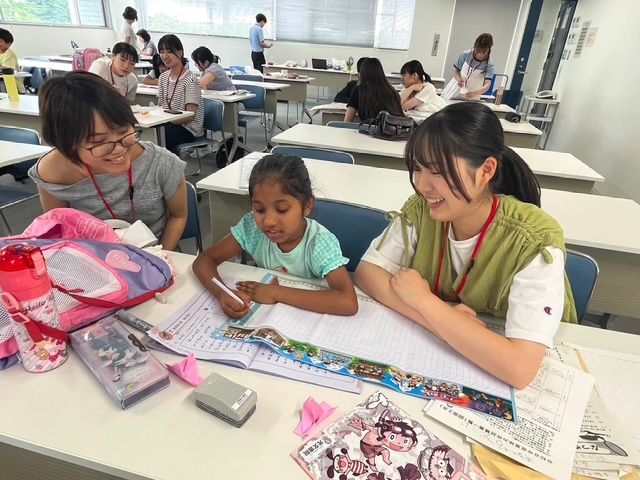
In the morning, participants provided support for summer vacation homework. The university students worked closely with the children, assisting not only with academic subjects but also with assignments that are characteristic of Japanese schools, such as illustrated diaries and art projects. These tasks often require an understanding of Japanese school culture and customs, which can sometimes be unfamiliar to children with international backgrounds. The students carefully guided the children so that they could better understand the assignments and approach their work with confidence.
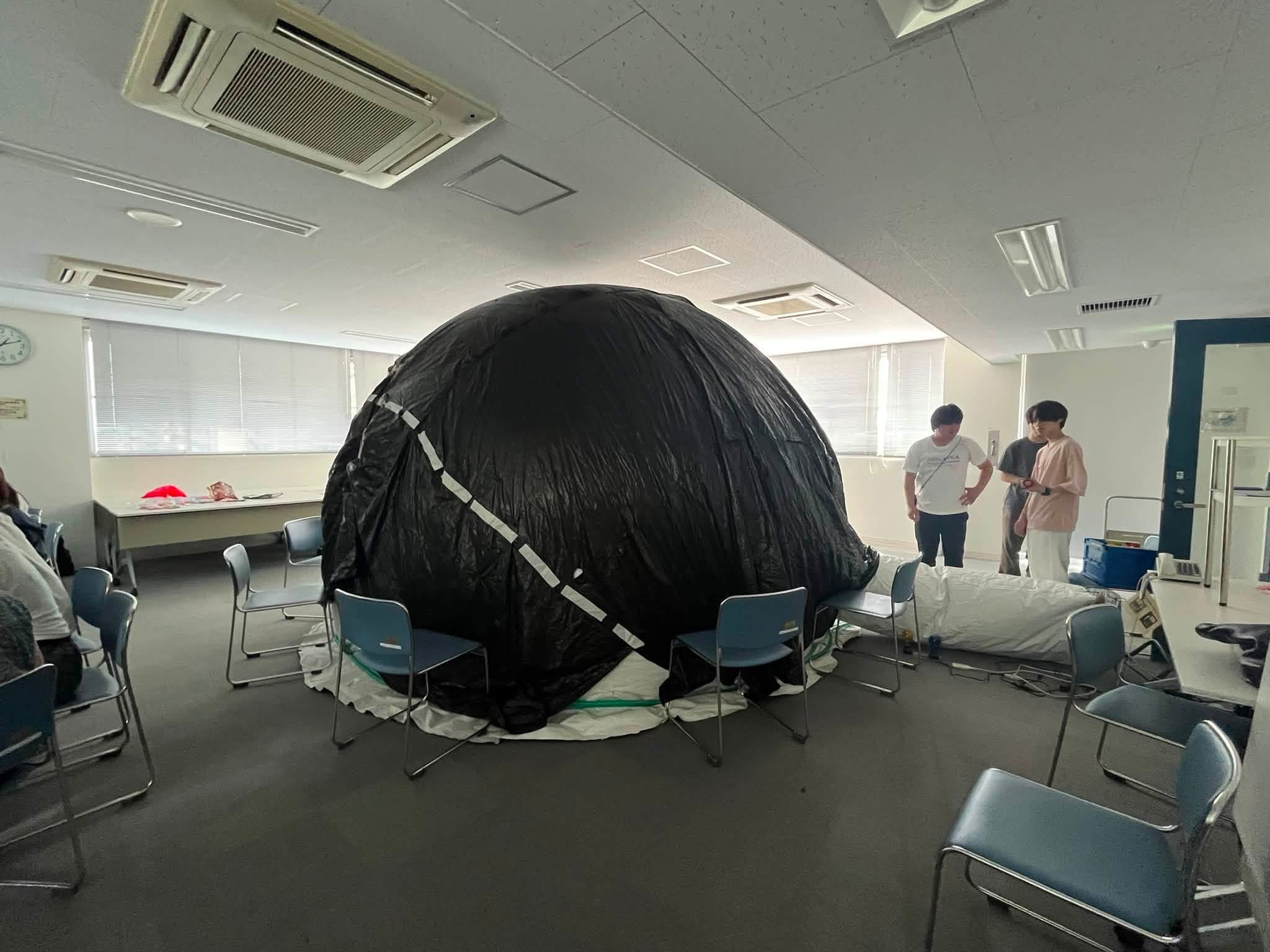
In the afternoon, the SDGs-focused student organization Linking and the Astronomy Club organized a special planetarium program for the children. University students were responsible for setting up and operating the event, while also providing easy-to-understand explanations about stars, space, and astronomy. The children listened attentively as they looked up at the star-filled dome, deepening their interest in science and the universe. The experience also provided a natural and enjoyable opportunity for them to engage with the Japanese language.
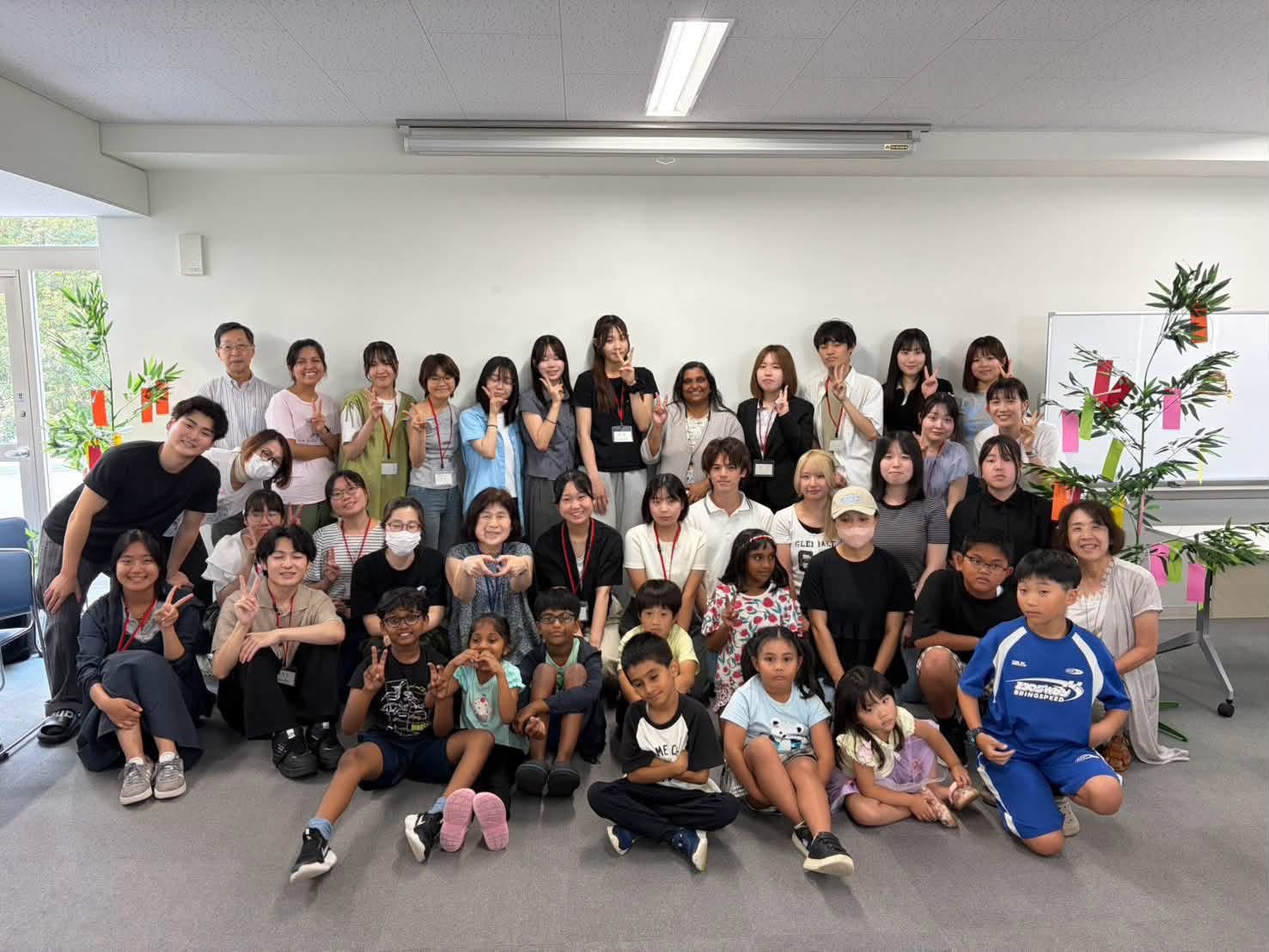
The event offered the children a rewarding day that combined academic support with an exciting hands-on learning experience. At the same time, it provided university students with a valuable opportunity to reflect on multicultural inclusion and Japanese language education for children. Many participants commented that interacting with the children helped them appreciate the importance of learning from one another across linguistic and cultural differences.
Ibaraki University will continue to work with the Hitachinaka International Association to create supportive learning environments where children with international backgrounds can grow, learn, and thrive as members of the local community.